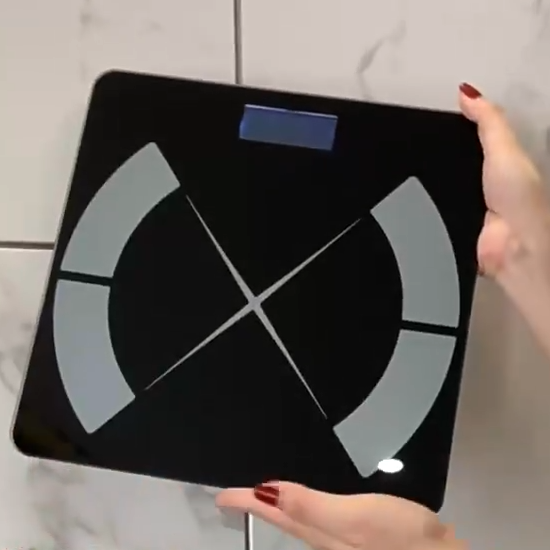
Body fat body scale
A body fat scale is a sophisticated health monitoring device that goes beyond traditional weight scales, offering a comprehensive analysis of body composition. Unlike standard scales that only measure total weight, this innovative tool uses bioelectrical impedance analysis (BIA) to estimate key metrics such as body fat percentage, muscle mass, bone density, water weight, and even visceral fat levels, providing a more nuanced understanding of one’s physical health.
At the core of its functionality, a body fat scale sends a weak, harmless electrical current through the body. Since different tissues conduct electricity at varying rates—fat tissue resists the current more than muscle or water—the scale measures this resistance to calculate body composition. This process is quick, taking just a few seconds, and delivers results via a digital display, often paired with detailed breakdowns on a connected app.
Modern body fat scales are designed with user-friendliness in mind. Most feature a sleek, non-slip platform made of tempered glass or high-quality plastic, ensuring stability during use. They typically accommodate multiple users (up to 10 or more), storing individual profiles to track progress over time. For example, a family can share one scale, with each member accessing their personalized data through a smartphone app via Bluetooth or Wi-Fi connectivity.
The data provided by these scales is invaluable for anyone focused on fitness, weight management, or overall wellness. Body fat percentage, for instance, offers a more accurate picture of health than weight alone—someone with high muscle mass might weigh more but have a low body fat percentage, indicating good fitness. Muscle mass measurements help track strength gains, while water weight readings can signal hydration levels or fluctuations due to diet or exercise.
Many body fat scales sync with health and fitness apps, allowing users to log data, set goals, and visualize trends through charts and graphs. These apps often provide insights such as ideal body fat ranges for different ages and genders, or recommendations for adjusting diet and exercise based on changes in body composition. For those working with trainers or nutritionists, this data can be easily shared to tailor personalized wellness plans.
Accuracy is a key consideration, and while body fat scales are not as precise as medical-grade devices, they offer consistent results for tracking relative changes. Factors like hydration, meal timing, and exercise can affect readings, so manufacturers often recommend using the scale under consistent conditions—such as in the morning before eating or drinking—to ensure reliability.
Design-wise, body fat scales blend functionality with aesthetics, featuring slim profiles that fit seamlessly into bathrooms or home gyms. They often include backlit displays for easy reading in low light and auto-on/off functions to conserve battery life. Some advanced models add extra features like heart rate monitoring, weather updates, or compatibility with other smart devices, integrating into a connected health ecosystem.
For individuals on weight loss journeys, body fat scales provide motivation beyond the number on the scale, celebrating reductions in fat mass even when weight loss stalls. Athletes use them to optimize training by tracking muscle gain and fat loss, while older adults can monitor bone density to support skeletal health. I
n essence, a body fat scale transforms vague health goals into measurable progress, empowering users to make informed decisions about their lifestyle. Its ability to reveal what lies beneath the surface—beyond just weight—makes it an essential tool for anyone serious about understanding and improving their physical well-being. By combining cutting-edge technology with user-friendly design, it bridges the gap between basic weight tracking and a holistic approach to health, proving that true fitness is about more than just how much you weigh.
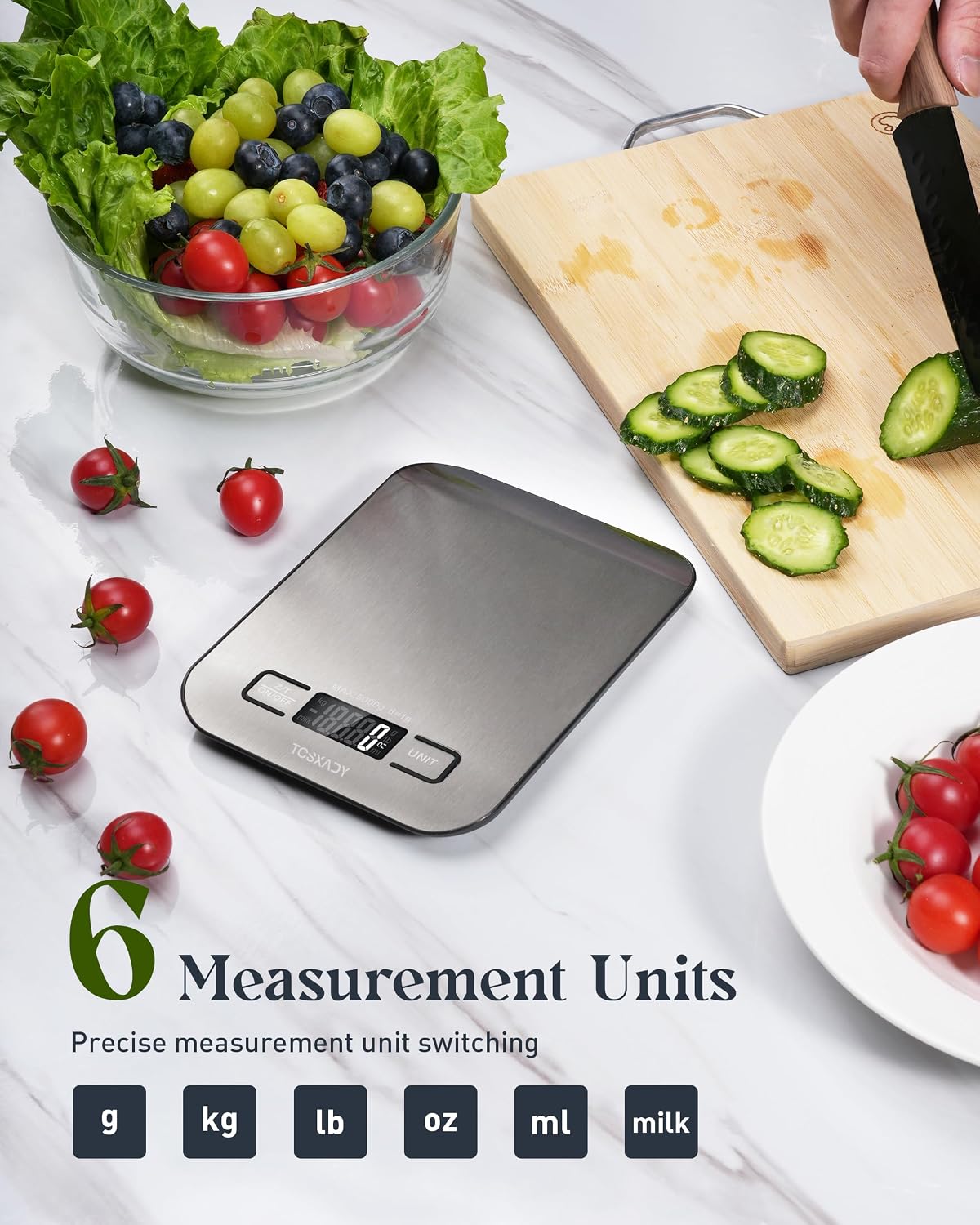
Stainless steel kitchen scale-3
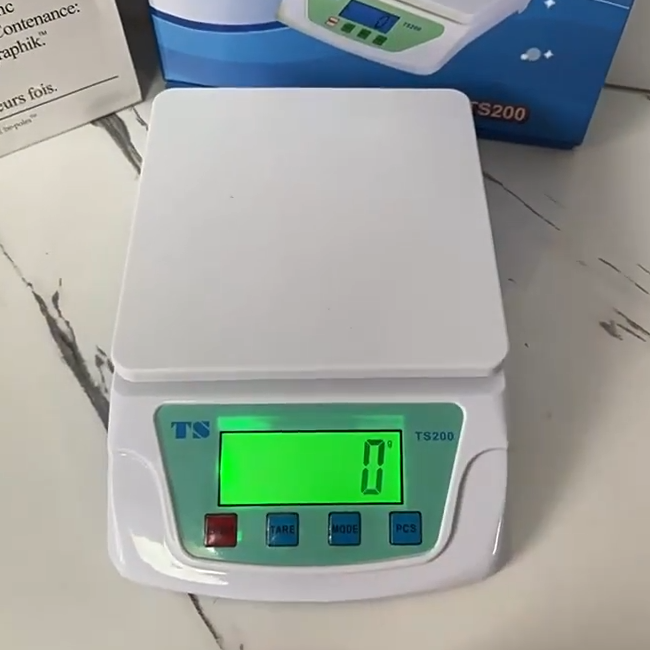
Plastic Material kitchen scale