Coffee kitchen scale-1
A coffee kitchen scale is a precision instrument that bridges the gap between casual brewing and artisanal craftsmanship, designed to elevate every cup by prioritizing accuracy in the variables that define great coffee. Unlike standard kitchen scales, it measures in increments as small as 0.1 grams, a level of precision that matters because even a tiny discrepancy—say, 2 grams too much coffee or 10 grams too little water—can skew extraction, turning a balanced brew into something bitter, sour, or flat.
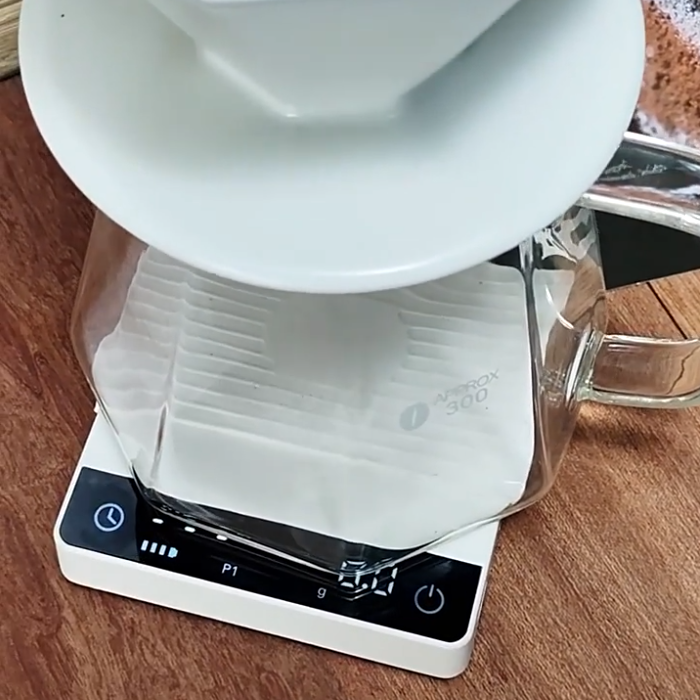
At its core, this tool revolves around mastering the coffee-to-water ratio, the foundation of consistent flavor. Most brewing methods thrive on ratios between 1:15 (stronger) and 1:17 (milder), and the scale makes hitting these marks effortless. For pour-over enthusiasts, it ensures you measure 22 grams of beans and 352 grams of water to achieve that 1:16 ratio, guiding incremental pours to saturate grounds evenly—no more dry spots that lead to under-extraction. Espresso lovers rely on it to dial in exactly 19 grams of finely ground coffee, a critical step for extracting the perfect 30ml shot with a thick, caramel-colored crema in 28 seconds.
A built-in timer sets it apart, syncing weight with brewing time to refine technique. This dual functionality lets you track not just how much water you add, but the pace of your pour. For example, blooming—adding a small burst of water to release carbon dioxide from fresh beans—works best with 50 grams of water over 30 seconds; the scale’s timer ensures you nail that window, unlocking brighter, cleaner flavors. For French press, it monitors steeping duration, alerting you when 4 minutes are up to avoid over-extraction.
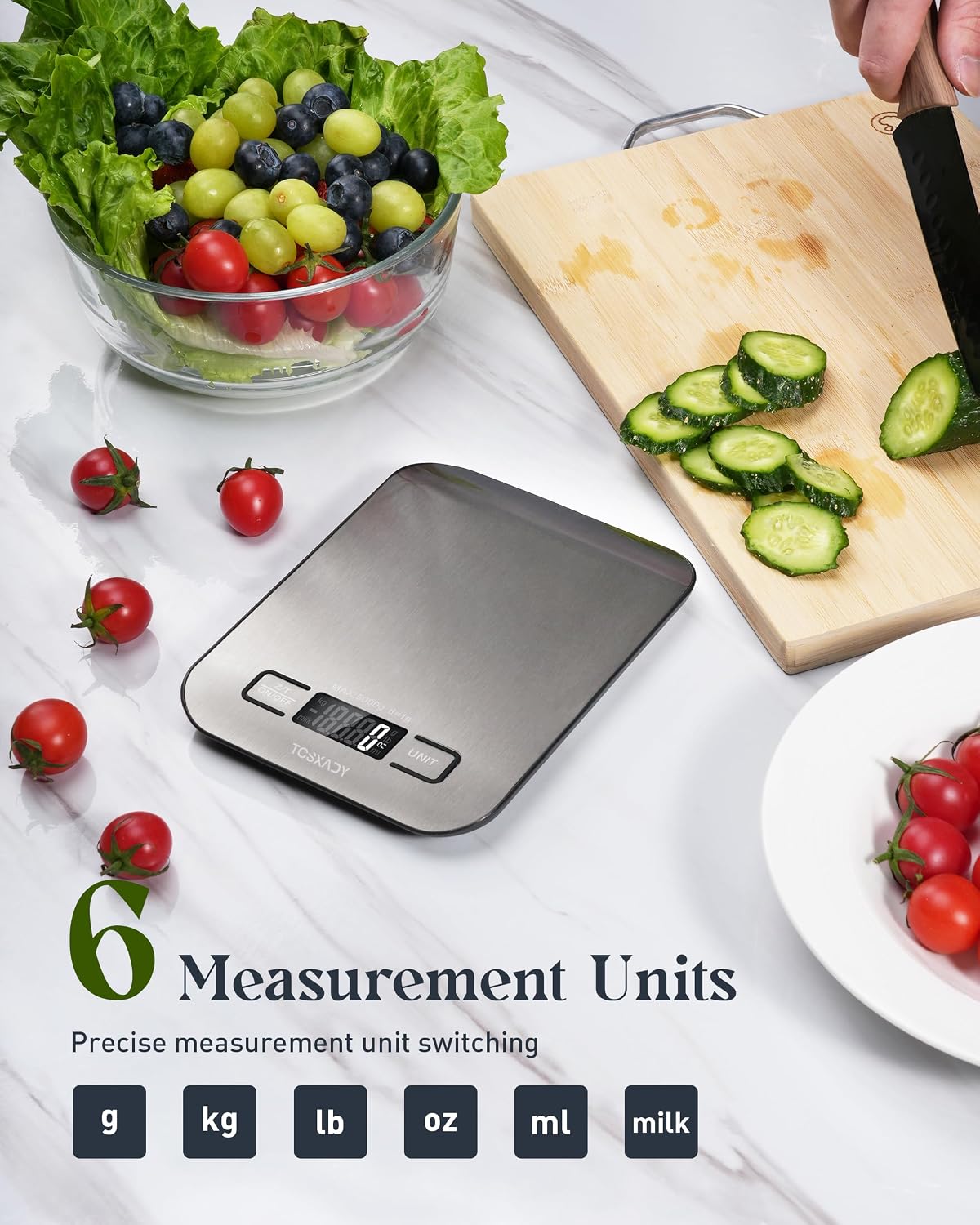
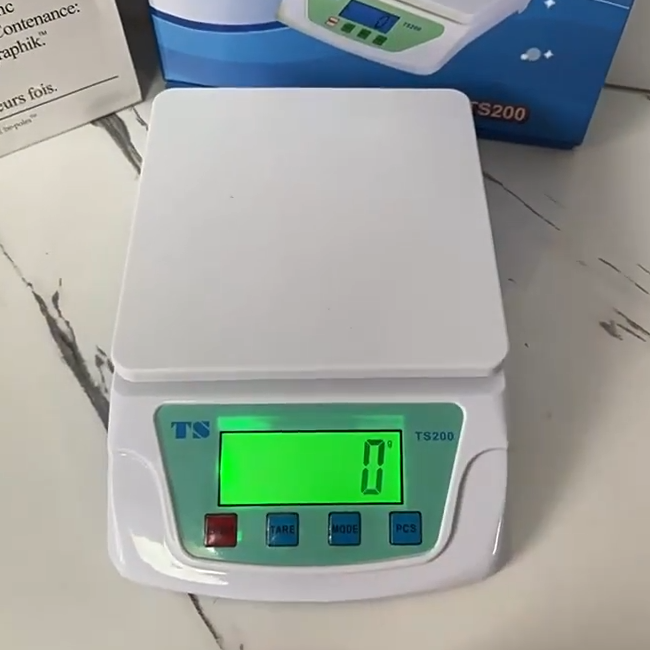
Durability meets practicality in its design. The platform, often stainless steel or tempered glass, resists heat, coffee spills, and daily wear, while a slim profile fits neatly beside kettles or espresso machines. Anti-slip feet prevent sliding during pouring, and a backlit LCD display shows weight and time simultaneously, even in dim morning light. The tare function is indispensable: place your brewer on the scale, press tare to reset to zero, and add coffee or water—no math required to subtract the vessel’s weight.
Portability adds to its appeal. Compact and lightweight, many models fit in a backpack, making them ideal for travel or office brewing. Long-lasting batteries (often 3–6 months per charge) ensure reliability, whether you’re brewing at home, a campsite, or a friend’s kitchen. Commercial versions, built for cafes, handle constant use, ensuring every barista adheres to the same ratios, keeping drinks consistent across shifts.
Beyond measurements, it fosters a deeper connection to the craft. By logging ratios and times, you learn how small changes—like a 5-second faster pour or 1 gram more coffee—alter flavor, turning trial and error into intentional experimentation. It demystifies brewing for beginners, providing a clear framework, while challenging experts to refine their techniques.
In essence, a coffee kitchen scale is more than a tool; it’s a partner in the pursuit of better coffee. It turns vague preferences into measurable variables, ensuring every cup honors the beans’ unique character. Whether you’re savoring a quiet morning brew or crafting drinks for customers, this device proves that precision isn’t just about numbers—it’s about unlocking the full potential of every bean, one perfectly measured cup at a time.
Release time: 2025-04-10
Electronic kitchen scale
Stainless steel kitchen scale-1