Digital Kitchen Scale
A digital kitchen scale is a modern, essential tool that has redefined precision in cooking and baking, replacing traditional analog scales with its accuracy, ease of use, and多功能性 (versatility). Unlike mechanical scales that rely on springs and dials—prone to wear and calibration issues—this electronic device uses sensors to deliver exact measurements, making it a staple in both home kitchens and professional settings.
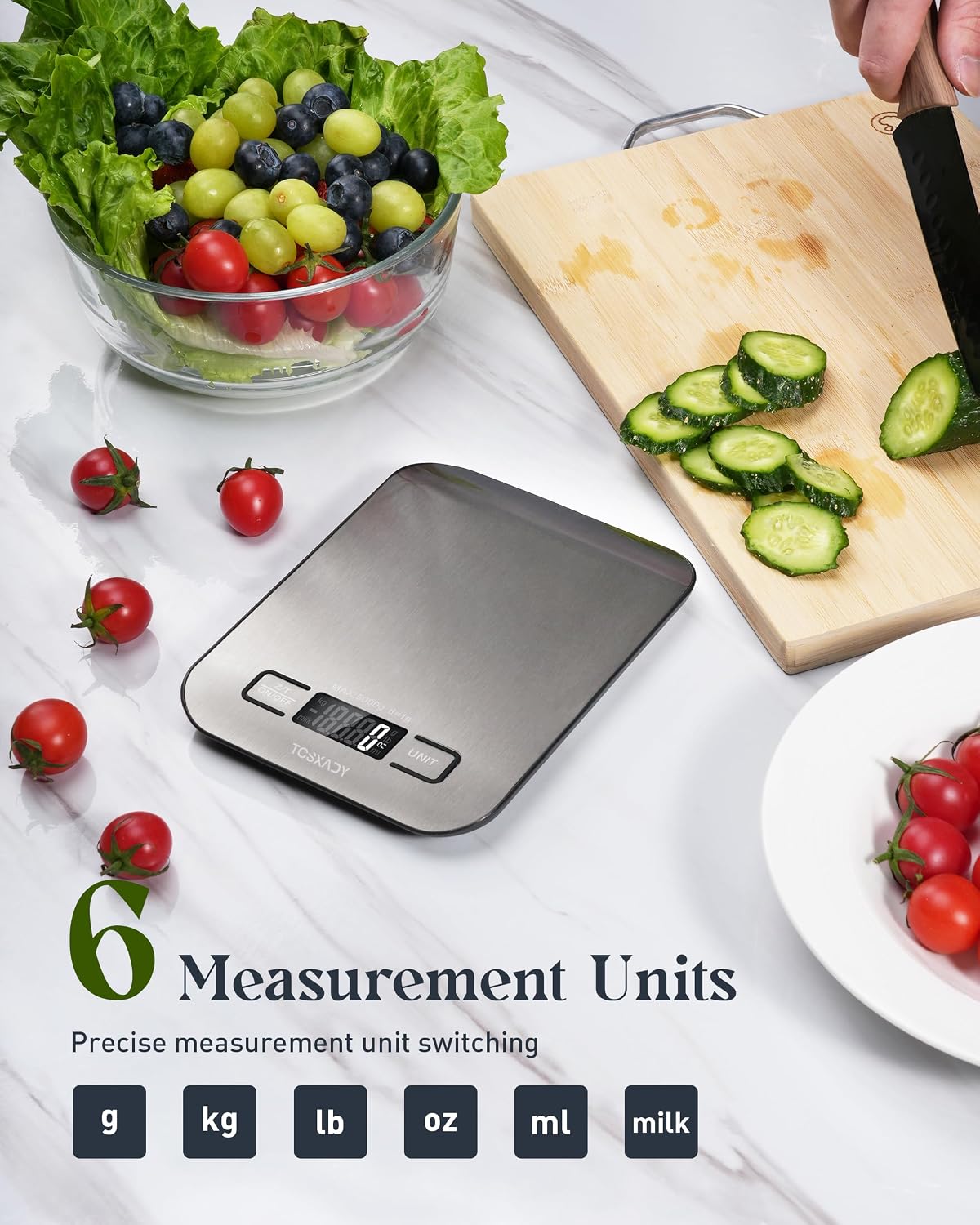
At its core, a digital kitchen scale features a flat platform (often made of stainless steel, glass, or plastic) where ingredients or containers are placed, and a digital display that shows weight in various units: grams, kilograms, ounces, pounds, and sometimes fluid ounces for liquids. The key advantage lies in its precision, typically measuring down to 0.1 grams or 0.01 ounces—a level of detail critical for recipes where even small variations matter. Bakers, for instance, depend on it to weigh flour or sugar, avoiding the inconsistencies of volume measurements (a cup of flour can vary by 20% based on how tightly it’s packed). Chefs use it to portion proteins evenly, ensuring dishes cook uniformly, while home cooks appreciate it for scaling recipes up or down without guesswork.
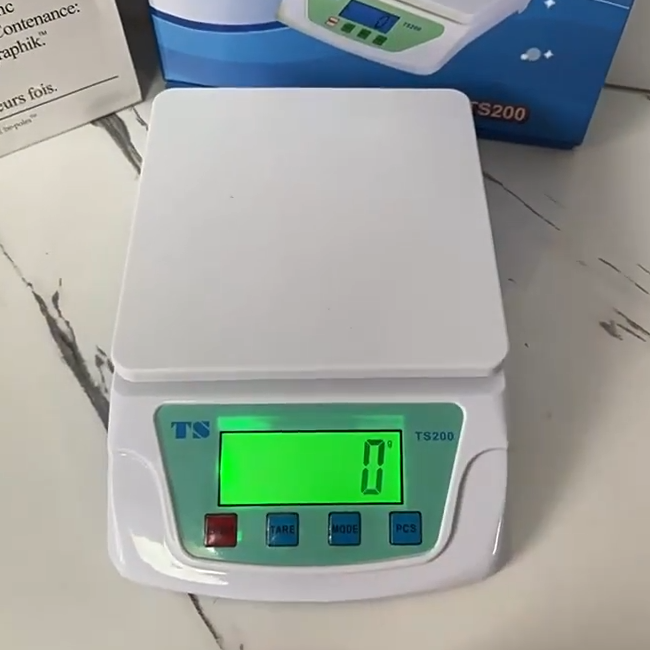
A standout feature is the tare function, which resets the scale to zero when a bowl, plate, or container is placed on it. This allows users to measure multiple ingredients in the same vessel—adding flour, then butter, then sugar—without needing to empty the bowl between steps, saving time and reducing cleanup. Most models also include a “hold” function, which locks the weight reading on the display, useful when the container obscures the screen or when measuring large items.
Design-wise, digital kitchen scales prioritize user-friendliness. The display is often backlit, making readings easy to see in dimly lit kitchens, and the interface is intuitive, with large buttons to switch units or activate the tare function. They come in various sizes: compact models (ideal for small countertops or storage in drawers) and larger ones that accommodate big mixing bowls or bulk ingredients. Many are lightweight, weighing less than a pound, while still sturdy enough to handle weights up to 15 kilograms (33 pounds), covering everything from a pinch of salt to a large batch of dough.
Durability varies by material but is generally reliable. Stainless steel platforms resist stains and corrosion, making them easy to clean with a damp cloth—essential for messy tasks like measuring oil or syrup. Glass platforms offer a sleek, modern look and are also simple to wipe down, though they may be heavier. Plastic models, while lighter and more affordable, are still designed to withstand daily use, with many featuring food-grade, BPA-free materials.
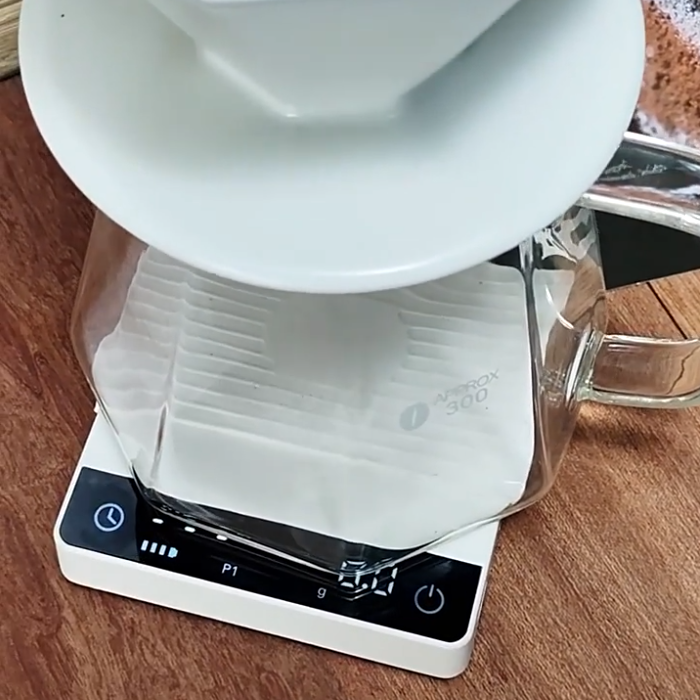
Beyond basic weighing, modern digital kitchen scales often include extra features that enhance functionality. Some have built-in timers, useful for tasks like proofing dough or steeping tea, while others offer a “count” function to tally small items like chocolate chips or nuts. High-end models may connect to smartphones via Bluetooth, syncing with recipe apps that log measurements, scale recipes automatically, or suggest ingredient substitutions based on what’s available. This connectivity turns the scale into a interactive tool, helping users track their cooking habits or experiment with new dishes.
For home cooks, a digital kitchen scale simplifies meal prep. It eliminates the need for multiple measuring cups and spoons, decluttering countertops, and makes following foreign recipes (which often use metric units) effortless. Beginners benefit from its straightforward design, reducing the stress of learning to cook, while experienced cooks appreciate how it streamlines complex recipes. In professional settings—restaurants, bakeries, catering services—digital kitchen scales are indispensable for consistency. They ensure every dish meets the same quality standards, whether it’s a pastry with precise ratios or a sauce with balanced flavors. Chefs can replicate successful recipes exactly, and trainers can teach new staff using objective measurements rather than vague terms like “a handful” or “a dash.”
Portability is another advantage. Many digital kitchen scales are compact enough to fit in a drawer or even a travel bag, making them useful for camping trips, vacation rentals, or dorm rooms. Battery-powered models (often using AAA or lithium batteries) offer flexibility, though some come with USB charging for added convenience.
What truly sets a digital kitchen scale apart is its ability to transform cooking from guesswork to precision. It turns abstract recipe instructions into concrete numbers, empowering users to understand exactly how ingredients contribute to a dish’s final taste and texture. Whether you’re baking a delicate cake, marinating meat, or portioning meals for the week, this tool ensures accuracy, saves time, and reduces waste.
In essence, a digital kitchen scale is more than a gadget—it’s a partner in the culinary process. Its blend of accuracy, versatility, and user-friendly design makes it accessible to everyone, from novice cooks to professional chefs, proving that great cooking begins with knowing exactly what goes into each dish. In a world where the details make the difference, this small device ensures that every meal is measured to perfection.
Release time: 2025-05-08
Multifunctional Electronic Measuring Cup Scale
Electronic Kitchen Scale in the Shape of a Bag