Nutritional scale
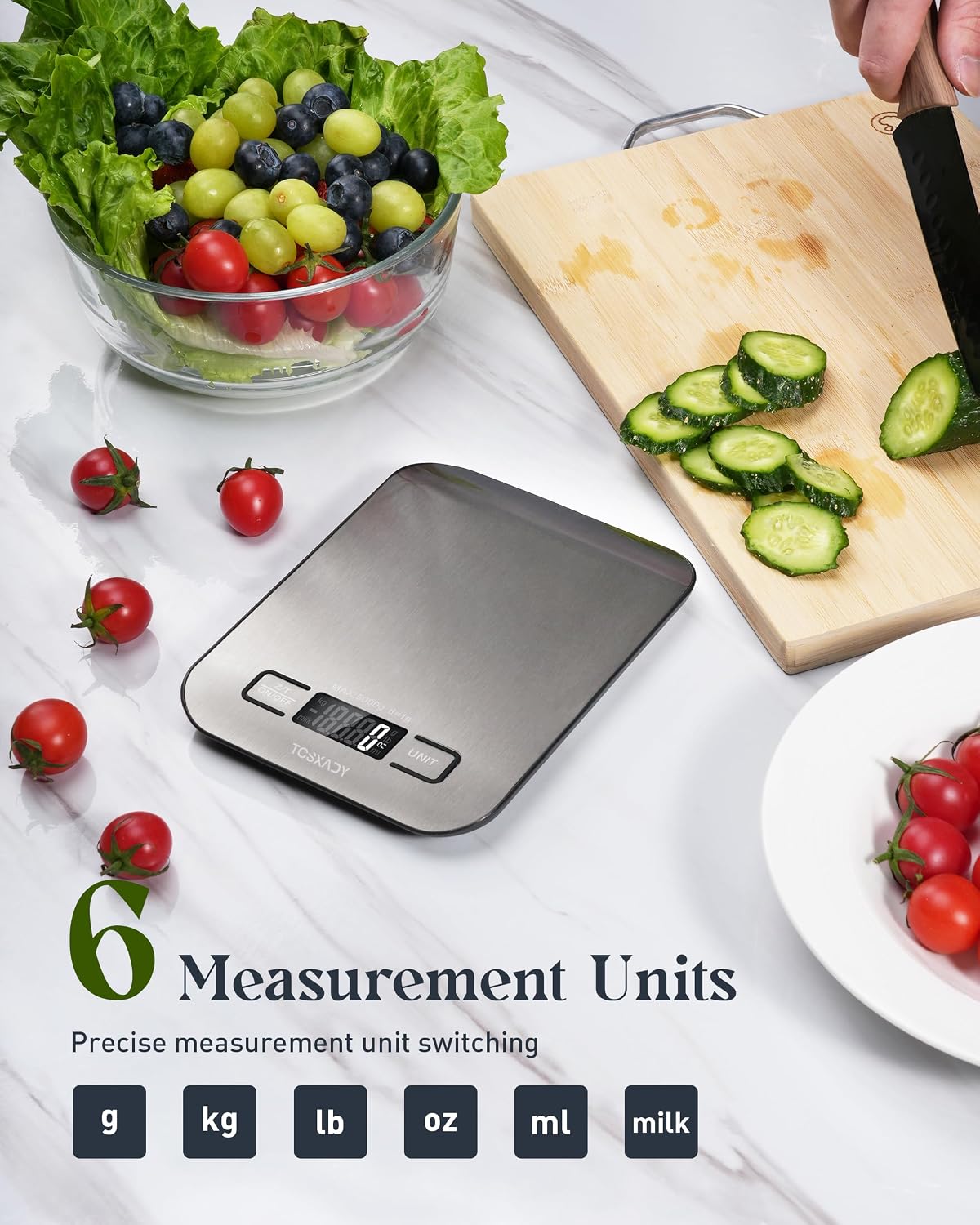
A nutritional scale is a sophisticated kitchen tool that transcends the basic function of measuring weight, offering detailed insights into the nutritional composition of food. Unlike traditional scales, which only provide weight in grams or ounces, this device is engineered to calculate key nutrients such as calories, proteins, carbohydrates, fats, fiber, sugars, and even specific vitamins and minerals, making it a game-changer for anyone prioritizing dietary awareness. At the core of a nutritional scale’s functionality is its extensive built-in database, which typically includes tens of thousands of food items—ranging from fresh fruits, vegetables, and meats to processed snacks, grains, and dairy products.
Users simply place a portion of food on the scale’s platform, select the corresponding food from the database (either via a touchscreen, buttons, or voice command in advanced models), and the scale instantly displays a breakdown of its nutritional content. For homemade dishes or less common ingredients, most models allow manual input of nutritional data, ensuring even unique recipes can be analyzed with precision. Modern nutritional scales often integrate smart technology, connecting to smartphones or tablets via Bluetooth or Wi-Fi. This connectivity syncs data with dedicated apps, which then track daily nutrient intake, set personalized goals (such as calorie limits or macronutrient ratios), and generate detailed reports over time. For example, someone managing diabetes can monitor sugar intake effortlessly, while athletes can fine-tune their protein and carbohydrate consumption to support training goals. These apps may also offer meal planning features, suggesting balanced recipes based on the user’s dietary needs and preferences.
Portability is another key advantage. Most nutritional scales are compact—about the size of a small laptop—making them easy to store in a kitchen drawer or take on the go, whether traveling, dining out, or cooking at a friend’s house. Their user-friendly design, with large digital displays and intuitive interfaces, ensures accessibility for all ages, from tech-savvy millennials to older adults looking to simplify healthy eating. Beyond personal use, nutritional scales are invaluable in professional settings. Dietitians and nutritionists rely on them to create customized meal plans for clients, ensuring accurate portion control and nutrient balance. Chefs in restaurants and cafes use them to standardize recipes, maintaining consistent nutritional quality across dishes. Even food manufacturers may employ industrial-grade versions to verify the nutritional claims on product labels, ensuring compliance with regulatory standards.
For individuals with specific health conditions—such as obesity, hypertension, or food allergies—a nutritional scale becomes an essential tool. It helps monitor intake of critical nutrients like sodium (for blood pressure management) or saturated fats (for heart health), turning vague dietary guidelines into actionable data. Fitness enthusiasts, too, benefit greatly: bodybuilders can track protein intake to support muscle growth, while marathon runners can optimize carbohydrate consumption for sustained energy. In a world where dietary choices directly impact long-term health, a nutritional scale empowers users to move beyond guesswork. It transforms abstract concepts like “balanced eating” into concrete numbers, fostering a deeper understanding of how food fuels the body. Whether the goal is weight loss, muscle gain, disease management, or simply maintaining overall wellness, this tool provides the accuracy and convenience needed to make informed, sustainable dietary decisions. As technology advances, future models may even incorporate AI-driven recommendations, further personalizing the user experience and solidifying the nutritional scale’s role as an indispensable companion in modern health and wellness journeys.
Bamboo panel kitchen scale
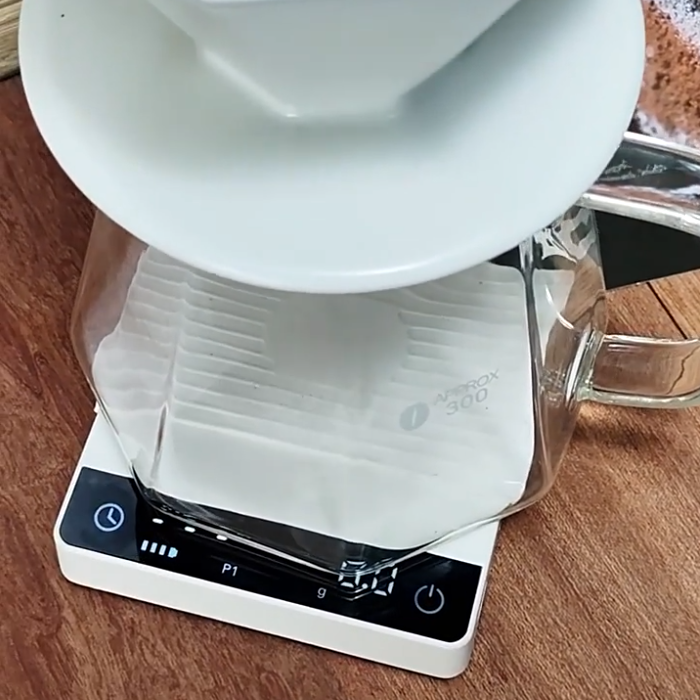
Coffee kitchen scale-4