Digital Kitchen Timer vs. Mechanical Timer: Which Is Right for Your Market?
Digital Kitchen Timer vs. Mechanical Timer: Which Is Right for Your Market?
Kitchen timers are simple products, but there are several different ways to design them. Before comparing the two types, it is useful to understand the key factors involved in choosing a kitchen timer for different markets. See our guide on How to Choose the Right Kitchen Timer for Your Market.
For retailers and distributors, one of the most common choices is between a digital kitchen timer and a mechanical kitchen timer.
Both can be useful for cooking and baking, but they offer very different user experiences.
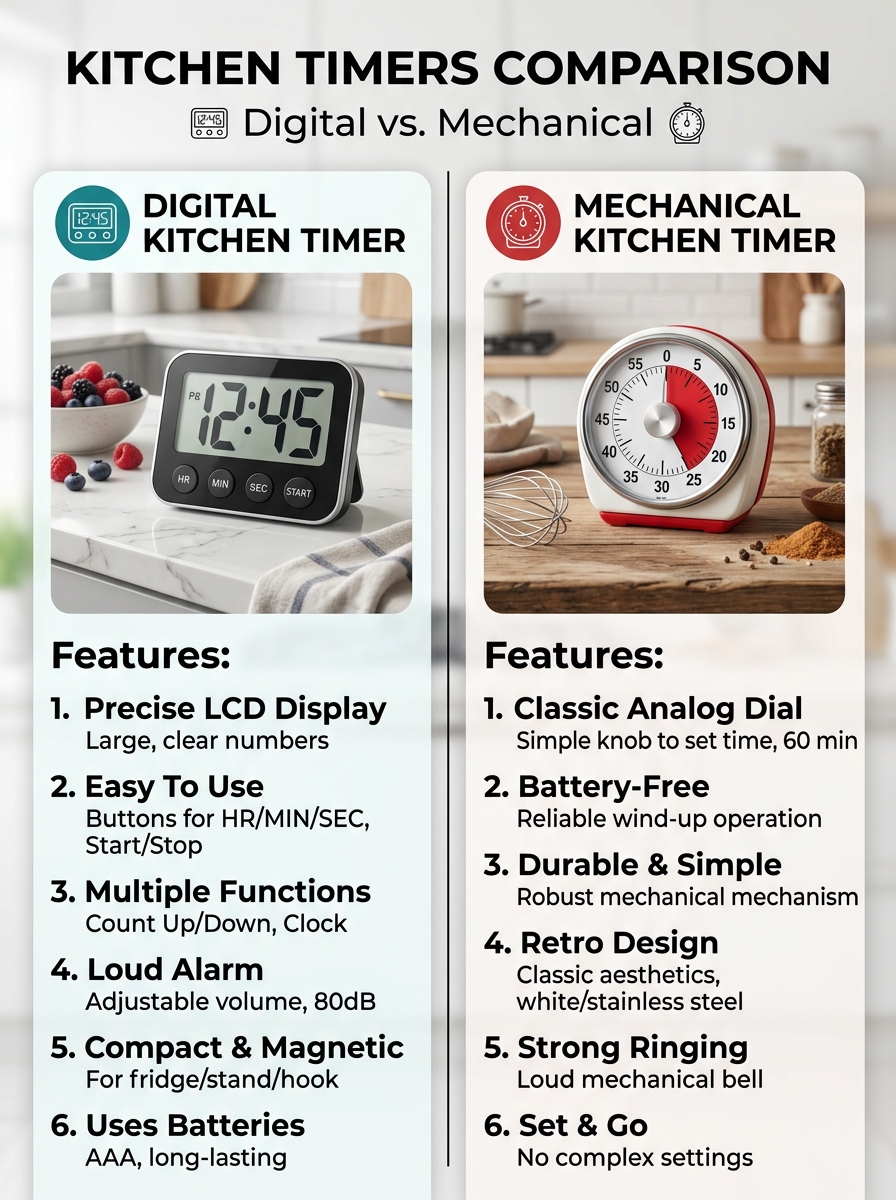
A digital timer can provide precise countdown settings, a clear display and additional functions. A mechanical timer is simple, does not require a battery and offers a familiar way to set cooking time.
So, which one is better?
The answer depends on your target consumer, retail channel, price positioning and product requirements.
This guide compares digital and mechanical kitchen timers to help buyers choose the right option for their market.
Kitchen timers are also one of the practical tools commonly found in modern kitchen gadget collections.
1. What Is a Digital Kitchen Timer?
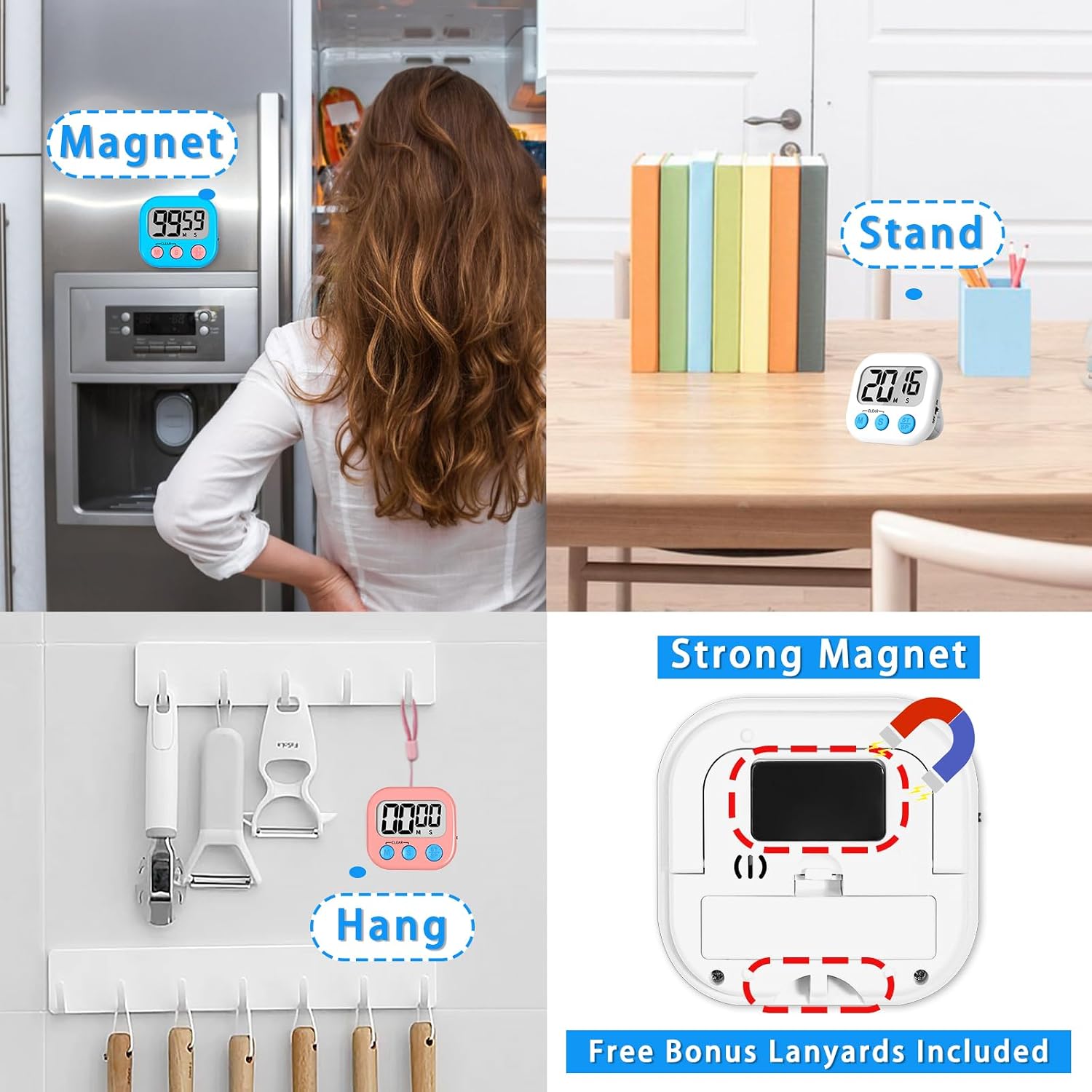
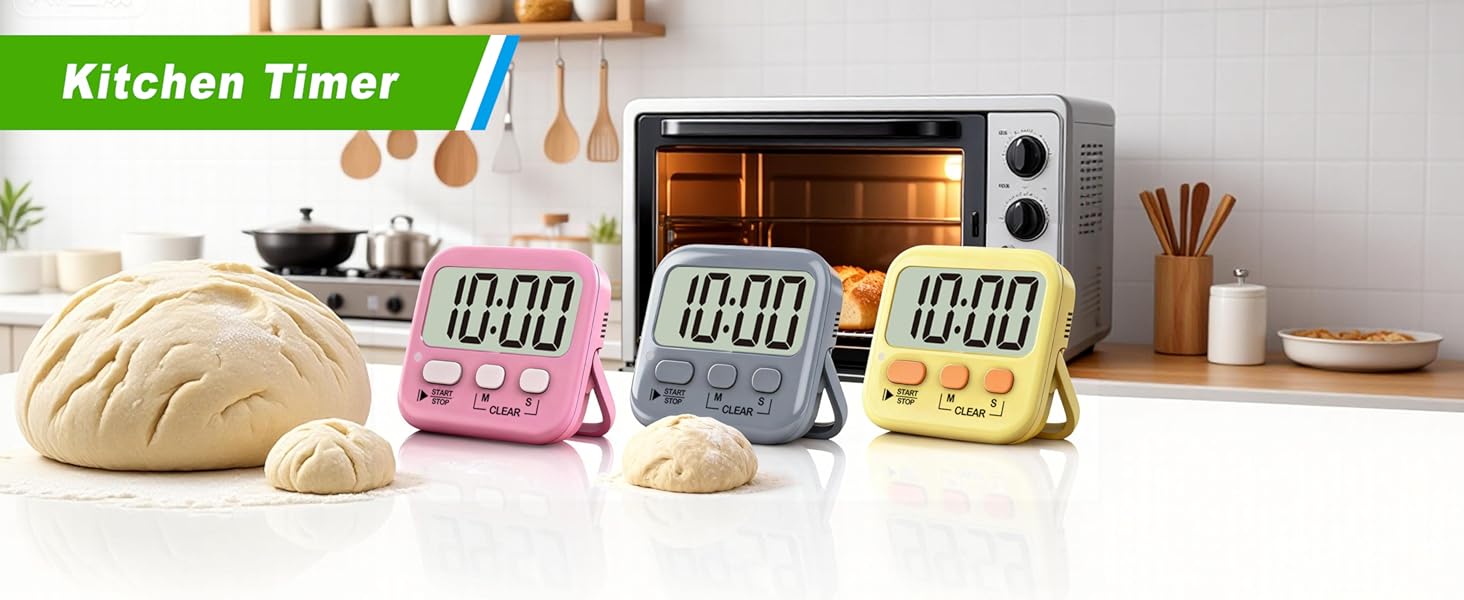
A digital kitchen timer uses an electronic system to count down the selected time.
Most models use an LCD or similar digital display.
Depending on the design, a digital kitchen timer may offer functions such as:
- Countdown
- Stopwatch
- Clock
- Memory
- Start / stop
- Reset
- Alarm
- Multiple time settings
Digital timers can be particularly suitable for consumers who prefer precise settings and an easy-to-read numerical display.
They are also often suitable for modern kitchenware collections where a more contemporary appearance is preferred.
2. What Is a Mechanical Kitchen Timer?
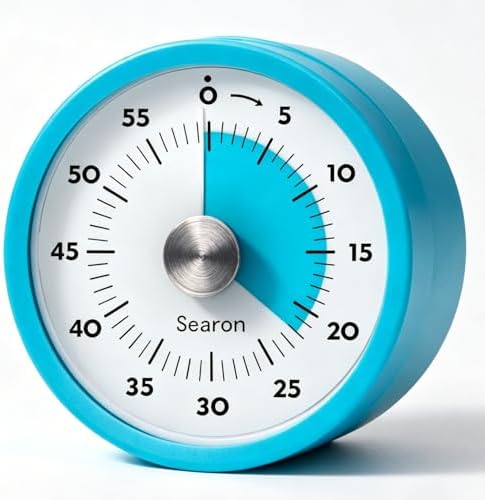
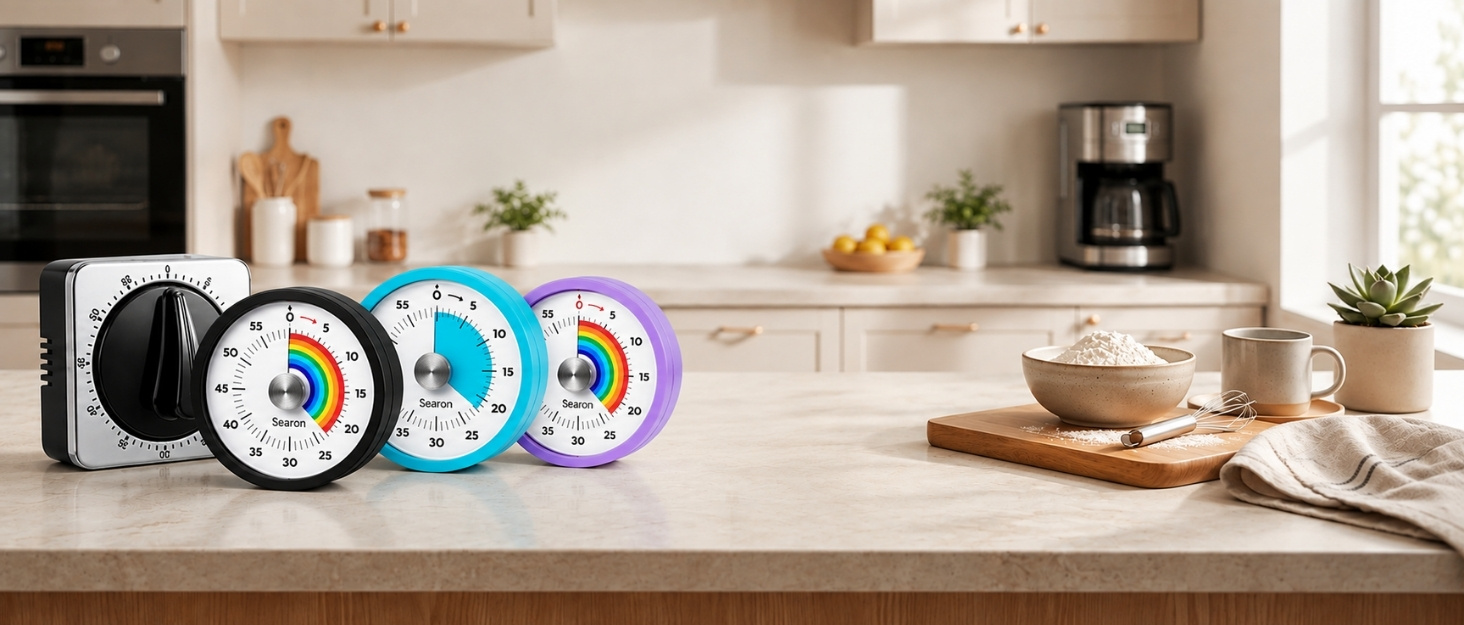
A mechanical kitchen timer uses a mechanical mechanism rather than an electronic countdown system.
The user normally turns a dial to set the required time.
One of the main advantages is simplicity.
A mechanical timer generally does not require batteries, which can make it convenient for everyday use.
Depending on the design, it may also offer:
- Simple operation
- Traditional appearance
- Compact construction
- Easy setup
- No battery replacement
Mechanical timers can be particularly attractive for consumers who prefer simple kitchen tools with fewer electronic functions.
3. Digital vs. Mechanical: Quick Comparison
Here is a simple comparison:
| Feature | Digital Kitchen Timer | Mechanical Kitchen Timer |
|---|---|---|
| Operation | Electronic buttons | Mechanical dial |
| Power | Usually battery-powered | No battery required |
| Display | Digital display | Usually dial/scale |
| Setting | Precise digital setting | Manual dial setting |
| Functions | Can offer multiple functions | Usually simple countdown |
| User Experience | Modern and functional | Simple and familiar |
| Design | Modern | Traditional |
| Maintenance | Battery replacement may be needed | No battery replacement |
| Retail Positioning | Mid-range to premium | Value to traditional |
| Best For | Precision and versatility | Simplicity and convenience |
Neither type is universally better.
The right choice depends on what your customers value most.
4. Accuracy and Time Setting
One of the biggest differences between digital and mechanical timers is how the time is set.
A digital timer allows users to enter the desired time using buttons.
For example, a user may set:
05:00
for five minutes.
This can make it easier to set a specific countdown time.
A mechanical timer normally requires the user to turn the dial.
The actual setting experience can depend on the timer design and the user's familiarity with it.
For consumers who frequently need specific countdown times, digital operation may be more convenient.
For consumers who simply want a quick and easy timer, a mechanical model may be sufficient.
5. Ease of Use
Simplicity is an important consideration for kitchen products.
Digital Timer
A digital timer may require users to understand several buttons.
For example:
- Minute
- Second
- Start / Stop
- Reset
Once users understand the controls, setting a precise time can be very convenient.
Mechanical Timer
A mechanical timer normally uses a simple dial.
Turn the dial to the required position and the timer begins operating.
For consumers who prefer products with minimal controls, this can be a strong advantage.
When selecting a product, think about the age, habits and expectations of your target consumers.
6. Battery Requirements
This is another clear difference.
Digital timers normally require a power source, such as:
- AAA batteries
- Button batteries
- Other replaceable batteries
Mechanical timers do not normally require batteries.
For retailers, this difference can affect the product's selling proposition.
A mechanical timer can be positioned as:
No Batteries Required
This can be attractive to consumers looking for a simple and low-maintenance kitchen tool.
A digital timer, meanwhile, can use its electronic power source to support features that a mechanical timer cannot easily provide.
7. Display and Readability
Digital timers have a clear advantage when it comes to displaying exact remaining time.
A large digital display can show:
09:32
for example.
This allows users to immediately understand how much time remains.
Mechanical timers generally use a dial and markings.
This can provide a more traditional visual experience, but it may not offer the same level of numerical information.
For buyers, consider where and how the timer will be used.
If quick visual checking is important, a digital display may be preferable.
8. Additional Functions
Digital technology allows manufacturers to add more functions.
Depending on the product, a digital kitchen timer may include:
- Countdown
- Stopwatch
- Clock
- Memory
- Multiple settings
- Different alarm functions
Mechanical timers generally focus on one main purpose:
counting down time.
This simplicity can actually be an advantage for certain retail markets.
A product does not necessarily become better simply because it has more functions.
The important question is:
Will consumers actually use the additional functions?
If the answer is no, a simpler product may provide better value.
9. Design and Retail Appearance
Product appearance can also influence the choice between digital and mechanical.
Digital Kitchen Timer
Digital models can fit well with:
- Modern kitchenware
- Contemporary home products
- Minimalist designs
- Technology-oriented products
Mechanical Kitchen Timer
Mechanical models can work well with:
- Traditional kitchenware
- Classic kitchen collections
- Retro-style products
- Simple household products
For brands with an established visual identity, the timer should fit naturally into the rest of the product range.
10. Price and Retail Positioning
Cost is another important consideration for retailers.
A basic mechanical timer can be attractive for value-oriented products because of its simple construction and lack of electronic components.
Digital timers can offer more functions and may therefore support a wider range of retail price points.
A simple positioning strategy could be:
Value Market
Mechanical Timer
Focus on:
- Simple operation
- No battery
- Practical design
- Competitive price
Mid-Range Market
Digital Timer
Focus on:
- Clear display
- Easy operation
- Countdown function
- Convenient design
Premium Market
Advanced Digital Timer
Focus on:
- Refined design
- Multiple functions
- Better materials
- Premium packaging
Of course, actual pricing depends on the product design, materials, order quantity and customization requirements.
11. Which Timer Is Better for Baking?
Both types can be used for baking.
However, the best choice depends on the consumer.
A digital timer can be useful for consumers who frequently need precise countdown settings.
For example:
- 8 minutes
- 15 minutes
- 25 minutes
- 45 minutes
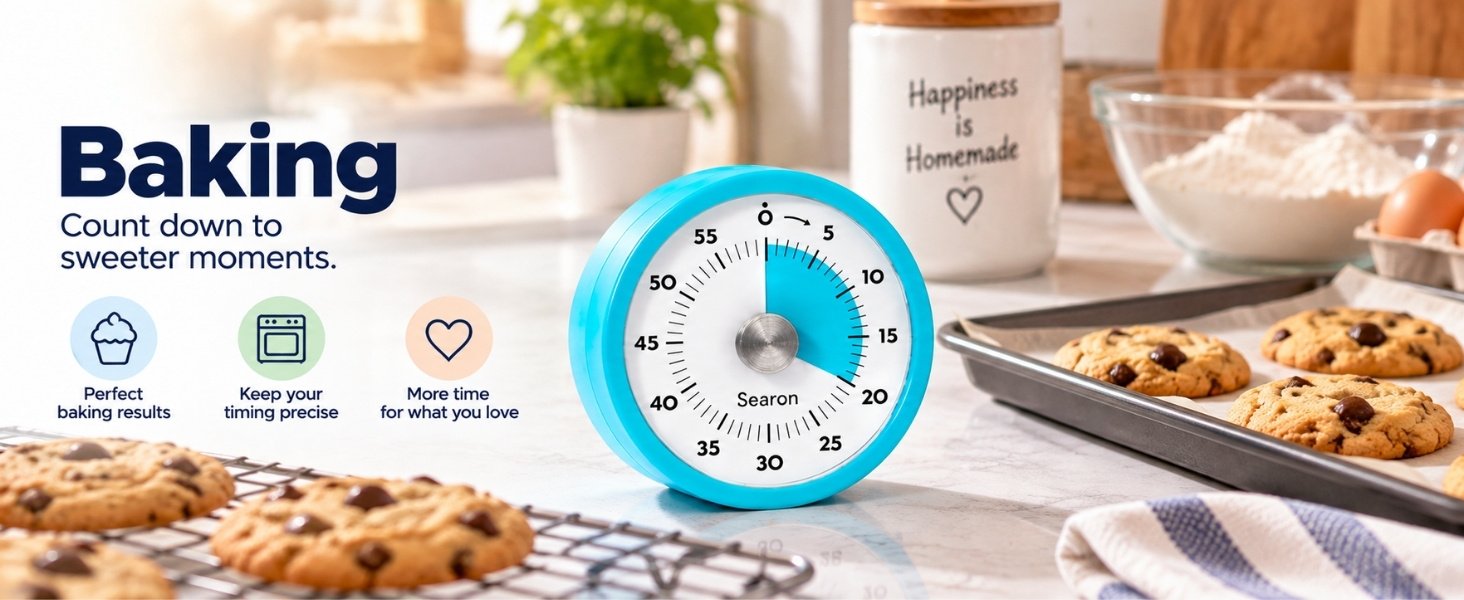
A mechanical timer can work well for consumers who prefer a simple way to monitor baking time without batteries.
For a baking-focused product line, buyers should also consider display readability, alarm performance and ease of setting.
12. Which Timer Is Better for Everyday Cooking?
For everyday cooking, both options can work.
A mechanical timer may be suitable for consumers who want:
- Simple operation
- No battery
- Familiar design
- Low-maintenance use
A digital timer may be more suitable for consumers who want:
- Precise time settings
- Clear numerical display
- Additional functions
- Modern appearance
Again, the right choice depends on your market.
13. Consider Your Retail Channel
The retail channel can also influence the product choice.
Supermarkets and Discount Retail
Price and simple functionality may be important.
A mechanical timer or basic digital model can be suitable.
Kitchenware Stores
Consumers may pay more attention to design, materials and functionality.
Both digital and mechanical models can work depending on the product range.
E-Commerce
Product images and features are particularly important.
Digital timers with visible displays and multiple functions may be easier to demonstrate through product photography.
Private Label
For private-label brands, the choice should also consider how the timer fits the existing product portfolio.
A brand may choose both types and position them at different price points.
14. OEM Opportunities for Digital and Mechanical Timers
For retailers and brands, both digital and mechanical kitchen timers can be developed as private-label products.
Possible customization options may include:
- Logo
- Product color
- Housing
- Dial design
- Display design
- Packaging
- User manual
- Product functions
For example, a retailer could use a simple mechanical timer for an entry-level kitchen range and a digital timer for a higher-priced collection.
This allows different products to target different consumer groups while maintaining the same brand identity.
15. Questions to Ask Your Kitchen Timer Supplier
Before selecting a timer, buyers should ask the supplier:
Product
- Is the timer digital or mechanical?
- What is the maximum timing range?
- What is the setting method?
- What is the display size?
- What functions are included?
Quality
- How is the timer tested?
- How is the alarm tested?
- How is the countdown function checked?
- What is the expected product life?
Materials
- What materials are used?
- Are different colors available?
- Can the product design be customized?
Commercial
- What is the MOQ?
- What is the sample lead time?
- What is the production lead time?
- What packaging options are available?
OEM
- Can the logo be customized?
- Can the product color be changed?
- Can packaging be customized?
- Can functions or specifications be modified?
A clear supplier discussion at the beginning can help avoid unnecessary changes later.
Digital or Mechanical: Which One Should You Choose?
There is no single answer.
Choose a digital kitchen timer if your target market values:
- Precise time setting
- Digital display
- Multiple functions
- Modern design
- Easy numerical reading
Choose a mechanical kitchen timer if your target market values:
- Simple operation
- No battery
- Traditional design
- Low maintenance
- Competitive pricing
If you are unsure, you can also consider offering both types as part of the same product range.
This allows you to cover different consumer preferences and price points.
Kitchen Timer Buyer Checklist
Before selecting a product, consider:
| Question | Digital | Mechanical |
|---|---|---|
| Precise digital setting needed? | ✓ | — |
| Digital display needed? | ✓ | — |
| Multiple functions needed? | ✓ | Usually — |
| No battery preferred? | — | ✓ |
| Simple operation important? | ✓ | ✓ |
| Traditional appearance? | — | ✓ |
| Modern appearance? | ✓ | — |
| Value positioning? | ✓ | ✓ |
| Premium positioning? | ✓ | Possible |
| Private-label customization? | ✓ | ✓ |
The final decision should be based on the target market rather than the technology alone.
Why Choose One Ants for Kitchen Timers?
At One Ants, we supply both mechanical and electronic kitchen timers for retailers, importers, distributors and brands.
Our kitchen timer range can cover different applications and retail positions, from simple mechanical models to practical digital designs.
We can support customers with:
- Product selection
- Product specifications
- Logo customization
- Product colors
- Packaging
- User manuals
- Sample development
- Quality control
- Product documentation
If you are developing a new kitchen timer range, we can also help compare different models according to your target market, target price and retail positioning.
Conclusion
Both digital and mechanical kitchen timers have a place in the market.
A digital timer can offer precise settings, a clear display and additional functions, while a mechanical timer can provide simple operation without batteries.
For retailers and distributors, the best choice depends on consumer needs, retail channel, product positioning and target price.
Instead of asking which type is universally better, ask:
Which type is better for my customers?
That question will help you select a kitchen timer that fits your market more effectively.
If you are looking for a digital or mechanical kitchen timer supplier, contact One Ants to discuss your product requirements.
How to Choose the Right Kitchen Timer for Your Market