How to Choose the Right Kitchen Timer for Your Market
How to Choose the Right Kitchen Timer for Your Market
A kitchen timer is a simple product, but it can serve many different consumer needs.
Some consumers use a timer for everyday cooking. Others use it for baking, meal preparation, studying, workouts or other household activities.
Kitchen timers are also part of a wider range of practical kitchen gadgets used in modern kitchens.
For retailers, importers and distributors, choosing the right kitchen timer therefore involves more than looking at the countdown function.
The timer type, display, controls, alarm, design, materials, power supply, packaging and retail price can all affect how the product fits into your market.
In this guide, we explain the key factors to consider when selecting a kitchen timer for your customers.
1. Start with the Target Application
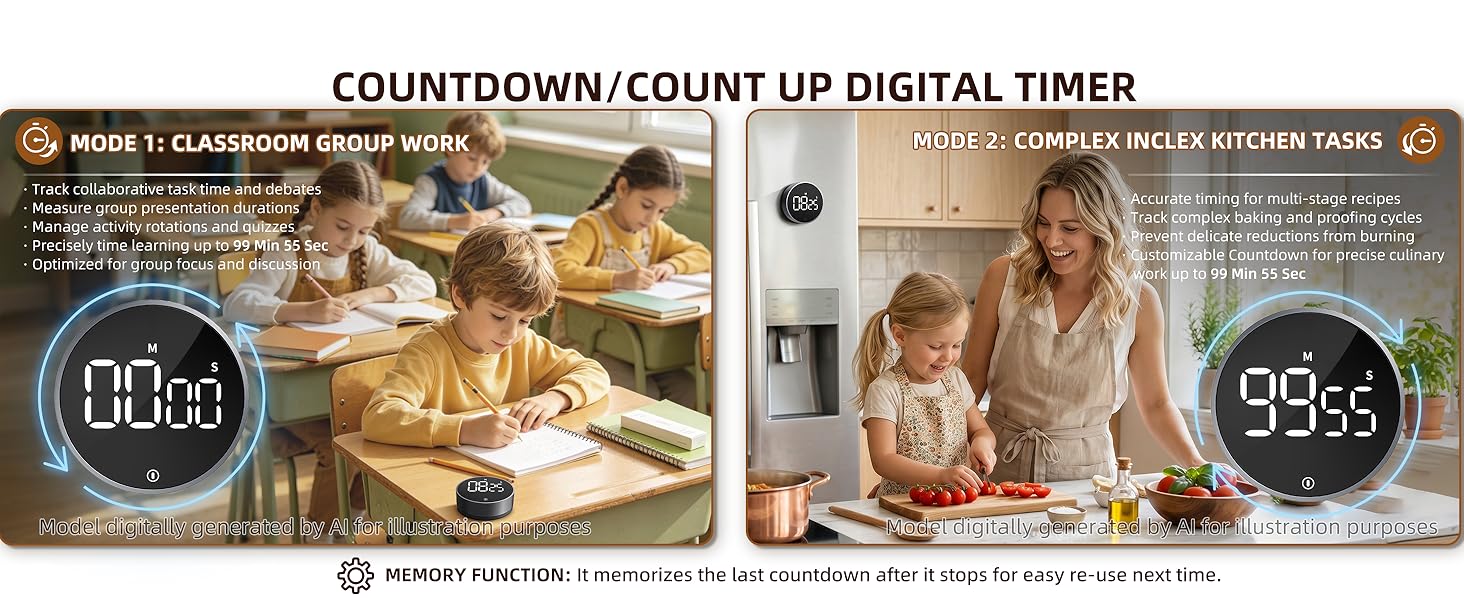
Before choosing a timer, first consider how your target consumers will use it.
Different applications may require different features.
Everyday Cooking
For general home cooking, consumers may need a simple timer for:
- Boiling eggs
- Cooking pasta
- Baking
- Roasting
- Meal preparation
For these users, easy operation and a clear display are often important.
Baking
Bakers may use timers to monitor:
- Baking time
- Proofing
- Cooling
- Multiple preparation steps
A timer with easy-to-set controls and a clear display can be useful for this application.
Meal Preparation
Consumers preparing several dishes at the same time may appreciate:
- Easy countdown setting
- Loud alarm
- Large display
- Convenient placement
Multi-Purpose Household Use
Some kitchen timers are also used outside the kitchen.
Consumers may use them for:
- Study sessions
- Exercise
- Work breaks
- Children's activities
- Other timed tasks
Understanding the main application helps determine which features are actually necessary.
2. Choose the Right Type of Kitchen Timer
Kitchen timers can be designed in different ways.
The main categories include:
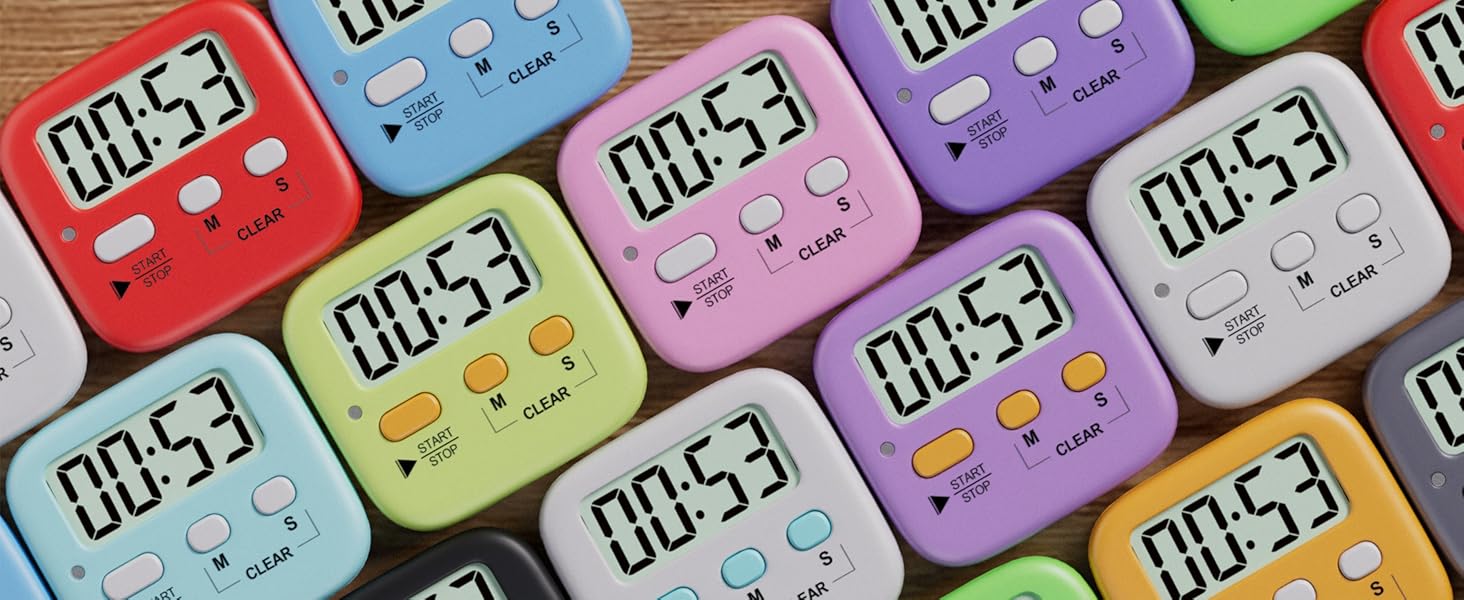
Digital Kitchen Timers
Digital timers generally use an LCD or similar electronic display.
They can offer:
- Precise countdown
- Clear digital display
- Multiple functions
- Compact design
They are suitable for consumers who prefer easy-to-read digital information.
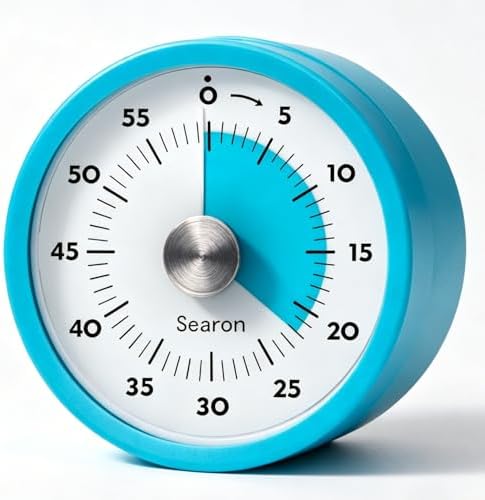
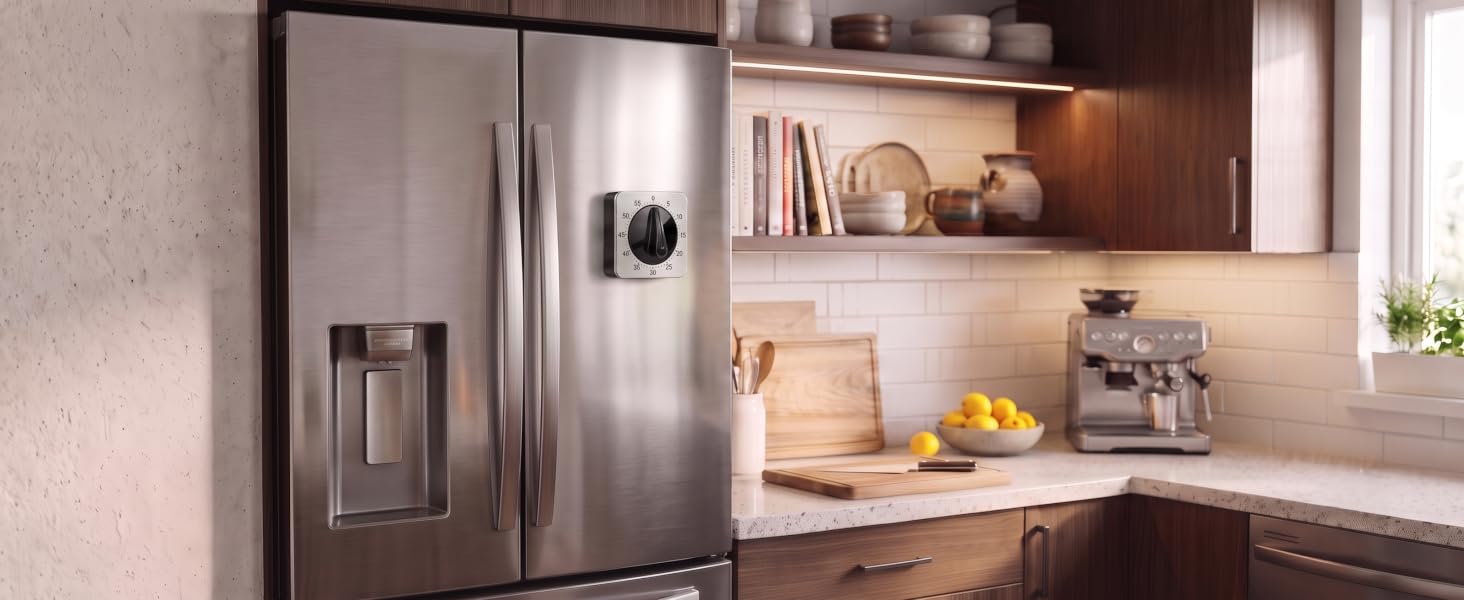
Mechanical Kitchen Timers
Mechanical timers normally work without batteries.
The user turns a dial to set the required time.
Potential advantages include:
- No battery replacement
- Simple operation
- Familiar design
- Traditional appearance
They can be suitable for value-oriented or traditional kitchenware ranges.
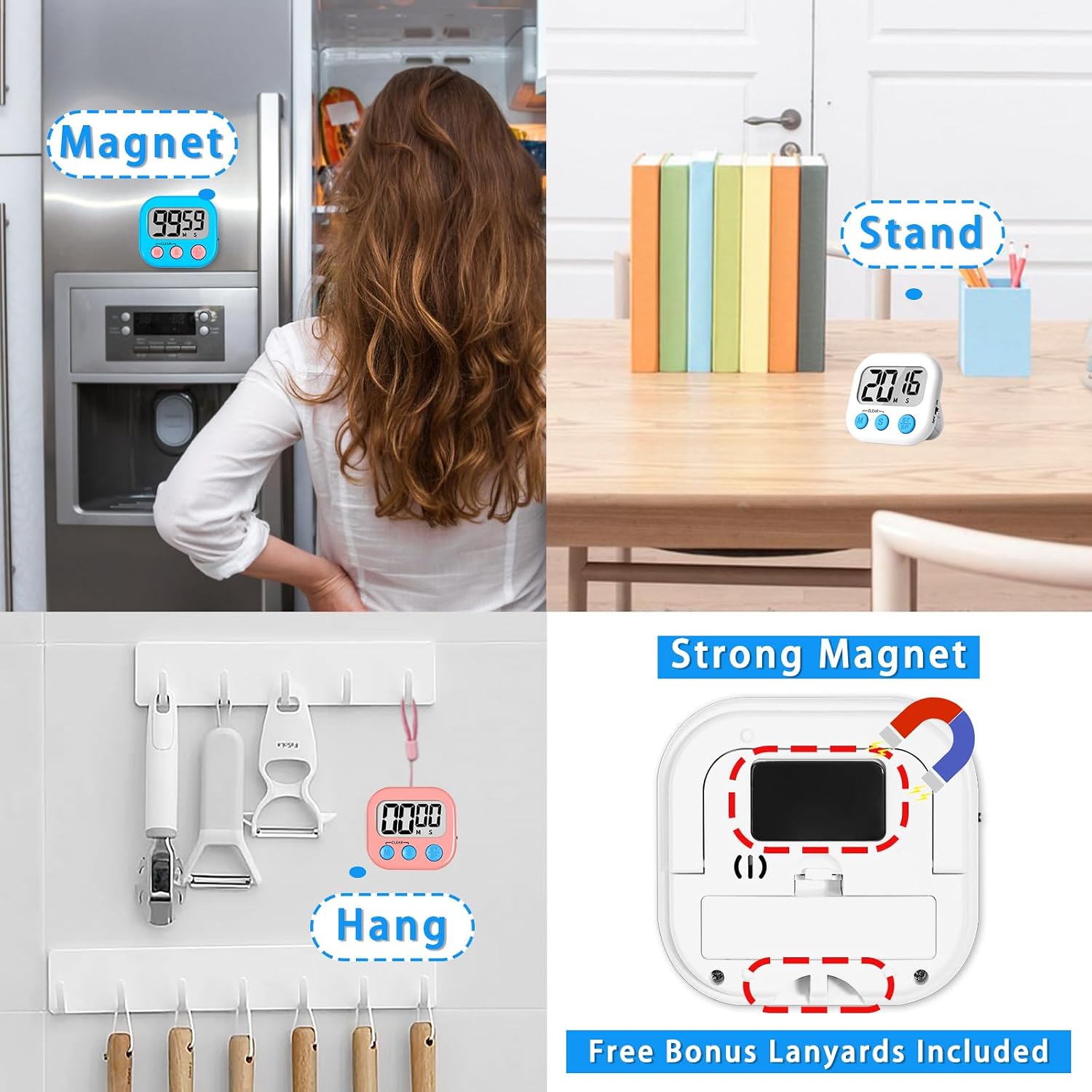
Magnetic Kitchen Timers
A magnetic design can allow the timer to attach to:
- Refrigerators
- Ovens
- Other metal surfaces
This can provide convenient placement in the kitchen.
Stand or Hanging Designs
Some timers are designed with:
- A stand
- Hanging hole
- Clip
- Other placement options
The best design depends on how consumers are expected to use the product.
3. Consider the Maximum Timing Range
The maximum timing range is another important specification.
For example, a timer may be designed primarily for short cooking tasks, while another model may offer a longer countdown period.
Before selecting a model, consider the most common applications in your target market.
A general household kitchen timer may be used for:
- Eggs
- Pasta
- Vegetables
- Baking
- Roasting
If the product is intended for broader household applications, a longer timing range may provide additional flexibility.
The key is to match the timer range with the intended use rather than simply choosing the largest possible range.
4. Make the Display Easy to Read
The display is one of the most important parts of a digital kitchen timer.
Consumers should be able to check the remaining time quickly.
Important factors include:
- Display size
- Digit size
- Contrast
- Viewing angle
- Backlight, if applicable
- Screen layout
For a retail product, a larger display can also be an easy-to-understand selling point.
For example:
Large, Easy-to-Read Display
can be more meaningful to consumers than a long list of technical specifications.
When selecting a product, buyers should look at the actual display rather than relying only on the specification sheet.
5. Think About the Controls
A timer can have a good display but still be difficult to use if the buttons are inconvenient.
Consider:
- Button size
- Button position
- Number of buttons
- Reset function
- Start / stop operation
- Time adjustment
- Alarm control
For everyday cooking products, simple controls are often beneficial.
Consumers should be able to set a timer quickly without reading a complicated manual.
For retailers, a straightforward user experience can also reduce consumer complaints and returns.
6. Choose the Right Alarm
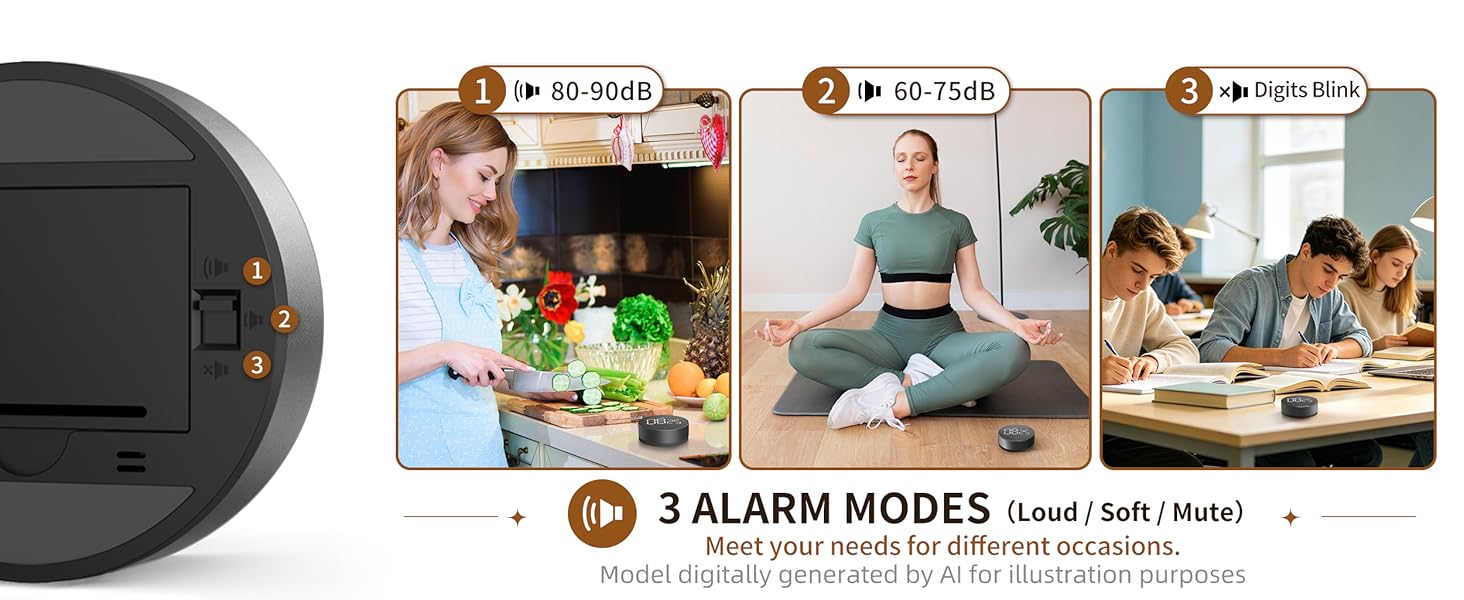
The alarm is another important part of the user experience.
A kitchen timer needs to alert the consumer when the countdown is finished.
Depending on the product design, buyers may consider:
- Alarm volume
- Alarm duration
- Sound type
- Whether the alarm can be stopped easily
For kitchen environments, the alarm should be noticeable without making the product unnecessarily complicated.
If the product is designed for broader household use, alarm performance can become even more important.
7. Consider Placement and Convenience
Where will consumers put the timer?
This question can influence the product design.
Magnetic Back
Useful for attaching the timer to a refrigerator or other metal surface.
Stand
Allows the timer to sit on a countertop.
Hanging Hole
Allows the product to be stored or displayed on a hook.
Clip
Can provide another option for attaching the timer to an apron, pocket or other location.
Some products may combine several placement methods.
For retailers, this can be a useful feature to consider when comparing similar products.
8. Think About Materials and Appearance
Kitchen timers are often visible on a countertop or refrigerator, so appearance matters.
Common materials may include:
- ABS
- Other plastics
- Stainless steel
- Silicone components
- Mixed-material construction
The choice depends on the desired price point and product positioning.
Value Positioning
A simple plastic housing can provide a practical solution at a competitive cost.
Mid-Range
Improved materials and a more refined design can create additional perceived value.
Premium
A combination of stainless steel, refined details and premium packaging can support a higher-end kitchenware collection.
The product appearance should also match the overall style of your brand.
9. Consider Power Supply
Digital kitchen timers require a power source.
Depending on the design, this may include:
- AAA batteries
- Button batteries
- Other replaceable batteries
- Rechargeable power
When comparing products, buyers should consider:
- Battery type
- Battery life
- Whether batteries are included
- Battery replacement
- Packaging requirements
For international orders, battery information can also affect packaging and shipping considerations.
Always confirm the actual battery specification with the supplier before finalizing the product.
10. Decide Which Extra Functions Are Useful
Not every kitchen timer needs many functions.
Some products may offer additional features such as:
- Stopwatch
- Clock
- Memory
- Multiple countdown settings
- Temperature display
- Different alarm modes
Extra functions can increase product appeal, but they can also make the product more complicated.
For mass-market products, essential functions may be enough.
For premium or specialty products, additional functions can help create differentiation.
The right approach is to select features based on the target consumer rather than adding functions simply to make the specification list longer.
11. Consider the Retail Price
Product positioning should always be considered together with retail price.
A simple kitchen timer may be suitable for value-oriented retail channels.
A more advanced digital timer may be better positioned for specialty kitchenware or premium household products.
A simple framework could be:
Entry Level
- Essential countdown function
- Simple design
- Basic materials
- Competitive price
Mid-Range
- Larger display
- Better controls
- Magnetic or stand options
- Improved design
Premium
- Refined materials
- Multiple functions
- Premium appearance
- Higher-end packaging
The goal is to create a product where the features, appearance and price make sense together.
12. Packaging Is Important for Retail Products
Packaging needs to communicate the product quickly.
For a kitchen timer, the front of the package may highlight features such as:
- Large display
- Easy operation
- Countdown function
- Loud alarm
- Magnetic back
- Stand design
- Multiple functions
Depending on the target market, packaging may also need:
- Product dimensions
- Battery information
- Barcode
- User instructions
- Brand information
- Required labeling
For private-label products, buyers may customize the:
- Brand logo
- Product color
- Packaging artwork
- User manual
- Barcode
- Retail presentation
Packaging should be confirmed early enough to avoid affecting the production schedule.
13. Check Quality and Durability
Although a kitchen timer is a small product, quality consistency still matters.
Buyers should consider:
Display
Is the display clear and consistent?
Buttons
Do the buttons work smoothly?
Alarm
Does the alarm function correctly?
Housing
Is the housing assembled properly?
Battery Compartment
Is it secure and easy to access?
Countdown
Does the timer count down consistently?
Samples should be tested before mass production.
For larger orders, buyers can also establish quality standards and inspection requirements with the supplier.
14. Consider Compliance and Documentation
Requirements vary depending on the product design and destination market.
For digital kitchen timers, buyers may need to consider applicable requirements related to:
- Electrical safety
- EMC
- RoHS
- Battery requirements
- Labeling
- Packaging
- Other market-specific regulations
The exact requirements depend on the product and destination market.
When working with a supplier, ask for documentation related to the specific model being supplied.
This is especially important for private-label products where the final product, packaging and branding may differ from a standard model.
15. OEM Kitchen Timers for Retailers and Brands
For brands and retailers, an existing timer can often be customized to better fit a product range.
Depending on the project, customization may include:
- Product color
- Logo
- Housing design
- Packaging
- User manual
- Display
- Product functions
For example, a retailer may choose a simple magnetic timer in its own brand colors.
A kitchenware brand may instead want a premium timer that matches its existing collection.
OEM customization can help create a more consistent brand experience across multiple products.
What Should Buyers Ask a Kitchen Timer Supplier?
When evaluating suppliers, buyers can also use the same approach outlined in our guide on How to Choose a Reliable Kitchen Scale Supplier in China.
Before selecting a supplier, consider asking:
Product
- What is the maximum timing range?
- Is it digital or mechanical?
- What is the display size?
- What functions are included?
- What placement options are available?
User Experience
- Is the display easy to read?
- Are the buttons easy to operate?
- Is the alarm loud enough for the intended application?
- Is the timer easy to reset?
Construction
- What materials are used?
- What battery does it use?
- Is the battery included?
- How is the product tested?
Commercial
- What is the MOQ?
- What is the sample lead time?
- What is the production lead time?
- What packaging options are available?
Customization
- Can the logo be customized?
- Can the product color be changed?
- Can packaging be customized?
- Can functions or specifications be modified?
Kitchen Timer Buyer Checklist
| Item | What to Consider |
|---|---|
| Timer Type | Digital or mechanical |
| Application | Cooking, baking or general household use |
| Timing Range | Match the intended use |
| Display | Size and readability |
| Controls | Simple and convenient operation |
| Alarm | Volume and duration |
| Placement | Magnet, stand, clip or hanging |
| Materials | Match target price and positioning |
| Power | Battery type and availability |
| Functions | Essential vs. additional features |
| Packaging | Retail presentation and labeling |
| MOQ | Match expected order volume |
| Customization | Logo, color, packaging and functions |
| Documentation | Relevant market requirements |
Why Choose One Ants for Kitchen Timers?
At One Ants, we supply kitchen and household products to international retailers, importers, distributors and brands.
Our product range includes kitchen timers, digital kitchen scales, food thermometers, milk frothers and other small kitchen tools.
For kitchen timer projects, we can support customers with product selection and different product specifications based on their target market.
Depending on the project, OEM support can include:
- Product selection
- Product colors
- Logo application
- Packaging
- User manuals
- Sample development
- Product documentation
- Quality control
We understand that different retail channels require different product positioning.
A value retailer may need a simple and competitive timer, while a kitchenware brand may be looking for a more refined design and customized packaging.
Our goal is to help buyers select a practical product that fits their market, brand and target price.
Conclusion
Choosing the right kitchen timer is about more than selecting a countdown function.
Retailers and distributors should consider the timer type, application, timing range, display, controls, alarm, placement, materials, power supply, packaging and retail positioning.
For brands developing private-label products, OEM customization can provide additional flexibility in product appearance, functions and packaging.
The right kitchen timer is the one that offers the appropriate combination of function, usability, quality and price for your target market.
If you are looking for a kitchen timer supplier or OEM kitchen timer manufacturer, contact One Ants to discuss your product requirements.
Digital Kitchen Timer vs. Mechanical Timer: Which Is Right for Your Market?
OEM Kitchen Scales: What Retailers and Brands Should Consider