0.1g vs. 1g Kitchen Scales: Which Is Right for Your Market?
When selecting a digital kitchen scale, one of the first specifications buyers usually look at is measurement precision.
You may see products described as 1g precision, 0.1g precision, or even finer measurements.
But does a higher level of precision always mean a better kitchen scale?
Not necessarily.
For retailers, importers and distributors, the right choice depends on the target consumer, intended application, retail positioning and price point.
In this guide, we explain the difference between 0.1g and 1g digital kitchen scales and how to decide which option is more suitable for your market.
What Does 0.1g or 1g Precision Mean?
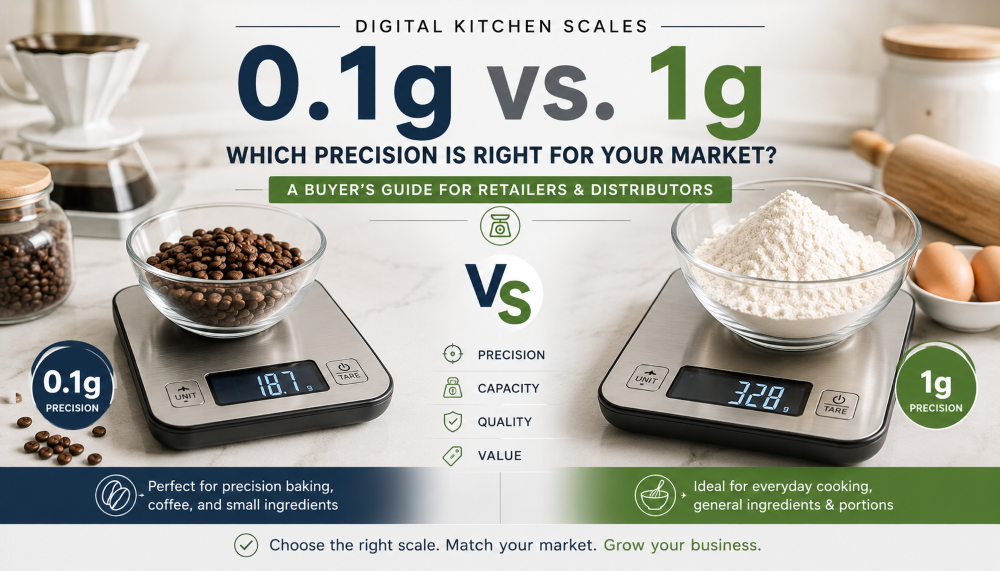
The measurement increment tells you the smallest change in weight that the scale is designed to display.
For example:
- A 1g kitchen scale displays measurements in 1-gram increments.
- A 0.1g kitchen scale displays measurements in 0.1-gram increments.
This means a 0.1g scale can show smaller changes in weight than a standard 1g model.
However, measurement increment should not be considered separately from other specifications.
A kitchen scale's actual performance also depends on factors such as sensor technology, calibration, stability and product design.
For buyers, it is therefore important to evaluate the complete product specification rather than focusing on one number.
If you are comparing different specifications, our guide on how to choose the right digital kitchen scale for your market provides a broader framework for product selection.
1. When Is a 1g Kitchen Scale a Good Choice?
A 1g digital kitchen scale is suitable for many everyday cooking applications.
For general household use, consumers often need to measure ingredients such as:
- Flour
- Sugar
- Rice
- Pasta
- Vegetables
- Meat
- Spices
- Other cooking ingredients
For these applications, a 1g increment can provide sufficient measurement for everyday recipes.
Why Choose a 1g Model?
A 1g kitchen scale can offer several advantages:
Simple to use
The display is easy to understand and suitable for everyday cooking.
Practical for general cooking
Most household recipes do not require measurement below 1 gram.
Competitive positioning
A basic specification can help keep the product accessible to a wider consumer group.
Suitable for high-volume retail
For value-focused retailers and general kitchenware channels, a practical 1g model can be an attractive option.
If your target market mainly consists of everyday home cooks, there may be little benefit in paying for a level of precision they do not need.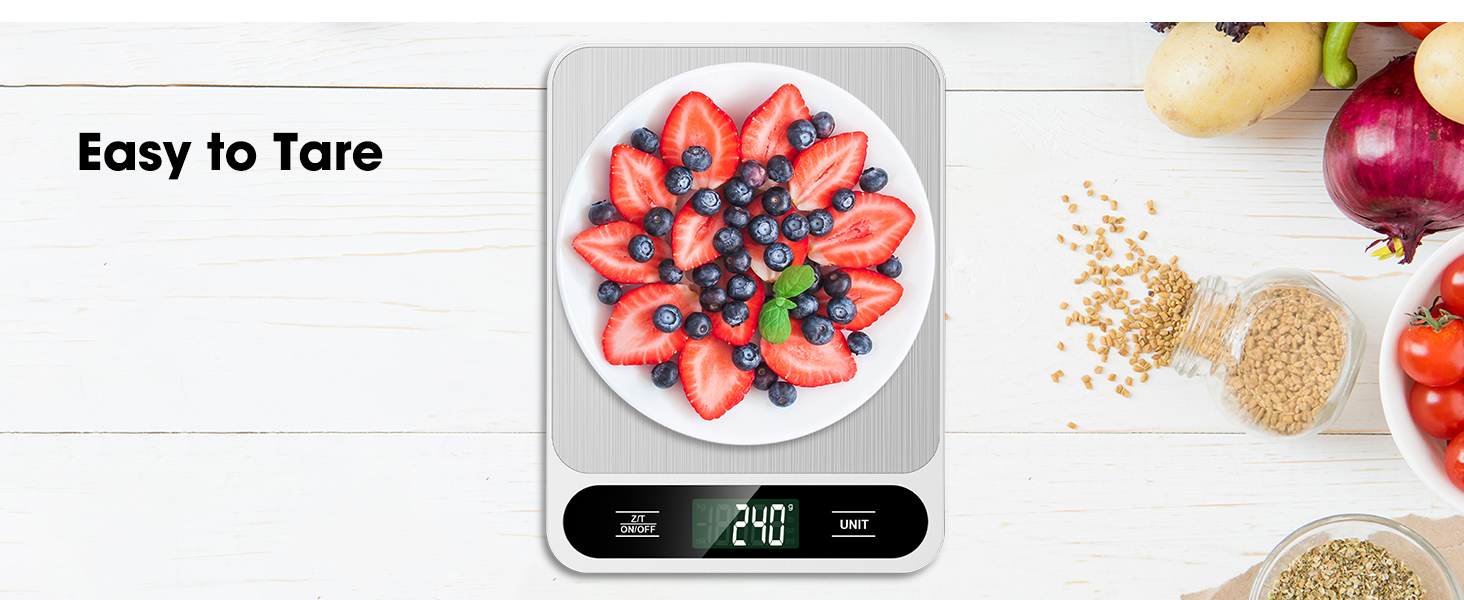
2. When Is a 0.1g Kitchen Scale a Better Choice?
A 0.1g digital kitchen scale is designed for consumers who need more detailed measurements.
It can be particularly relevant for applications where smaller differences in ingredient weight matter.
Common applications include:
- Precision baking
- Coffee preparation
- Small ingredient measurement
- Portion control
- Recipe development
- Specialty cooking
For example, when measuring a small amount of yeast, spices or coffee, a 0.1g increment can provide more detailed information than a standard 1g model.
Who May Prefer a 0.1g Scale?
A precision kitchen scale may appeal to:
Home bakers
Baking often requires consistent ingredient ratios, particularly for recipes involving small quantities.
Coffee enthusiasts
Coffee enthusiasts may use a precision scale to measure coffee beans and control brewing ratios.
Food enthusiasts
Consumers who enjoy experimenting with recipes may appreciate greater measurement detail.
Precision-focused consumers
Some consumers simply prefer products that provide more detailed measurements and greater control.
3. 0.1g Does Not Automatically Mean "Better"
This is an important point for product buyers.
A 0.1g kitchen scale may have a higher specification than a 1g model, but that does not mean it is the right product for every market.
Imagine two products:
Product A
- 1g increment
- Simple operation
- Compact design
- Competitive price
- Designed for everyday cooking
Product B
- 0.1g increment
- More precision-focused
- Designed for baking and coffee
- Higher product positioning
- Higher target retail price
Neither product is necessarily better.
They are designed for different consumer needs and market positions.
The right product is the one that matches your target customer.
4. Consider Capacity as Well as Precision
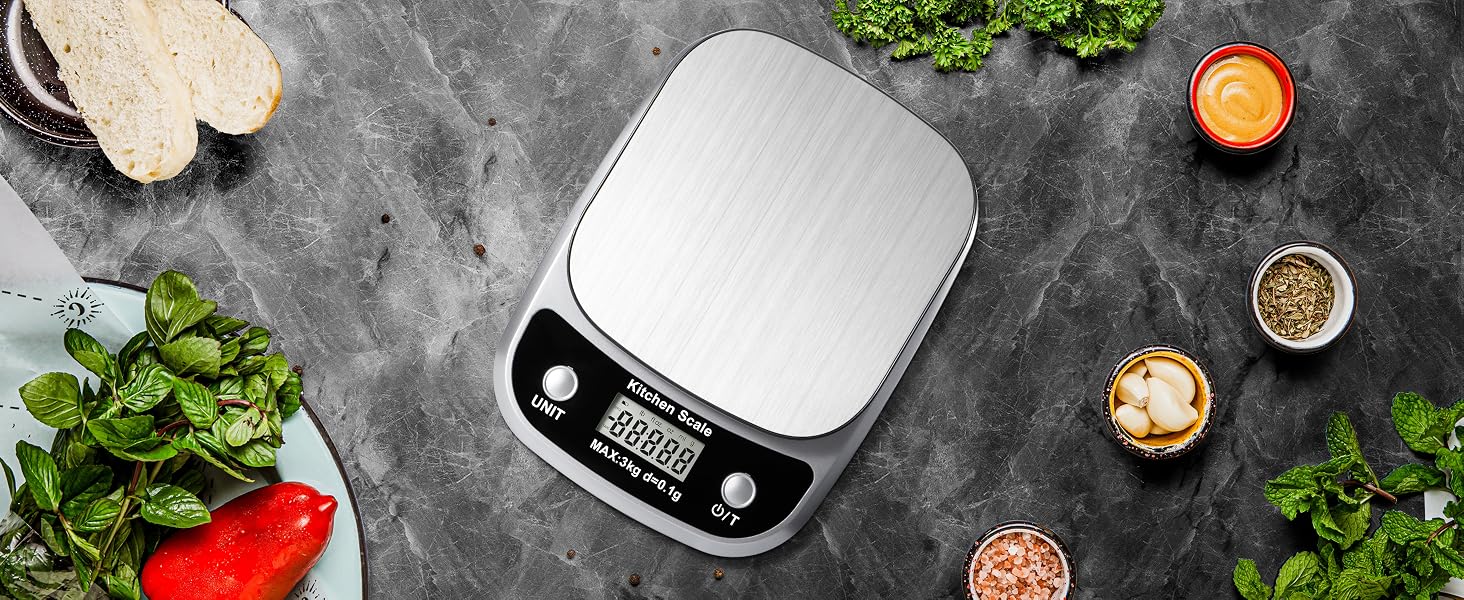
Precision is only one part of a kitchen scale's specification.
Capacity is equally important.
A scale designed for small, precise measurements may have a different platform size and capacity from a general household kitchen scale.
For buyers, it is useful to consider:
- Maximum capacity
- Measurement increment
- Platform size
- Product dimensions
- Intended application
For example, a product designed for coffee or small ingredient measurements may prioritize precision and compactness.
A general household scale may instead prioritize a larger platform and higher capacity.
The key is to find the right balance between precision and usability.
5. Match Precision with Your Retail Positioning
Your target retail price is another important consideration.
A kitchen scale positioned as an entry-level household product does not necessarily need 0.1g precision.
On the other hand, a premium or specialty product may benefit from a more precise specification.
A simple way to think about it is:
Value / Entry Level
→ Essential functions
→ 1g measurement
→ Simple design
→ Competitive price
Mid-Range
→ Improved design
→ More functions
→ Multiple units
→ Stronger retail presentation
Premium / Specialty
→ Higher precision
→ 0.1g measurement
→ Baking / coffee applications
→ Premium materials or design
→ Higher perceived value
The product specification should support the price positioning rather than simply adding features for the sake of adding features.
6. Don't Forget the User Experience
Precision is important, but consumers interact with the entire product.
A good digital kitchen scale should also be easy to use.
Consider features such as:
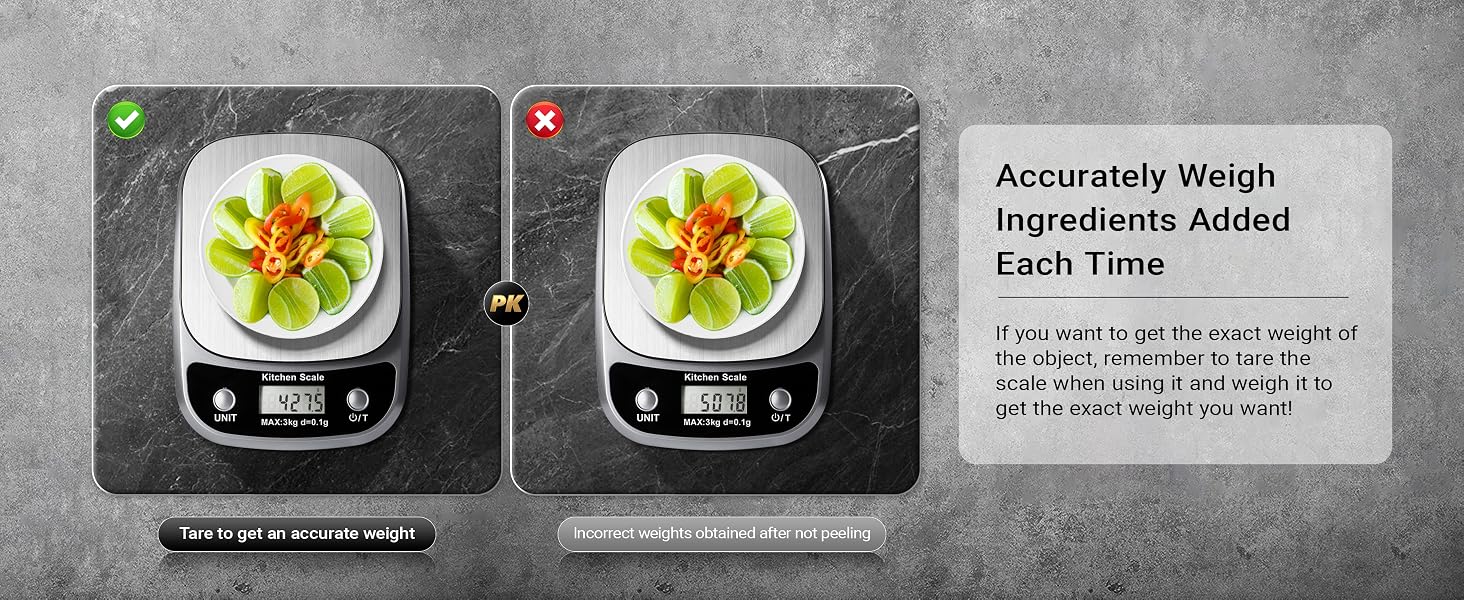
Tare Function
Allows users to reset the display to zero after placing a container on the platform.
Unit Conversion
Different markets may require different measurement units, such as grams, kilograms, ounces or pounds.
Clear Display
A large, easy-to-read display makes everyday use more convenient.
Easy Cleaning
A smooth platform can make it easier to clean the scale after cooking or baking.
Compact Storage
A slim design can be useful for consumers with limited kitchen space.
For retailers, these practical features can sometimes have as much impact on consumer satisfaction as the measurement precision itself.
7. Which Precision Is Right for Your Market?
There is no universal answer.
Instead, consider your target market and sales channel.
| Target Market | Recommended Positioning |
|---|---|
| General household cooking | 1g |
| Everyday baking | 1g or 0.1g |
| Precision baking | 0.1g |
| Coffee enthusiasts | 0.1g |
| Specialty cooking | 0.1g |
| Value-focused retail | 1g |
| Premium kitchenware | 0.1g can be considered |
These are general guidelines rather than strict rules.
Consumer preferences, local competition and target price should always be considered when selecting the final specification.
8. What Should Buyers Ask Their Kitchen Scale Supplier?
Before placing an order, retailers and distributors should look beyond the advertised precision.
Ask your supplier:
- What is the actual measurement increment?
- What is the maximum capacity?
- How stable are the readings?
- Is calibration available?
- What sensor technology is used?
- Which measurement units are supported?
- What is the tare function?
- What materials are used for the platform?
- What test reports are available?
- Can the product be customized?
- What is the MOQ?
- What packaging options are available?
It is also useful to request samples before confirming a large production order.
Testing the product yourself can help you evaluate the display, buttons, stability, response and overall user experience.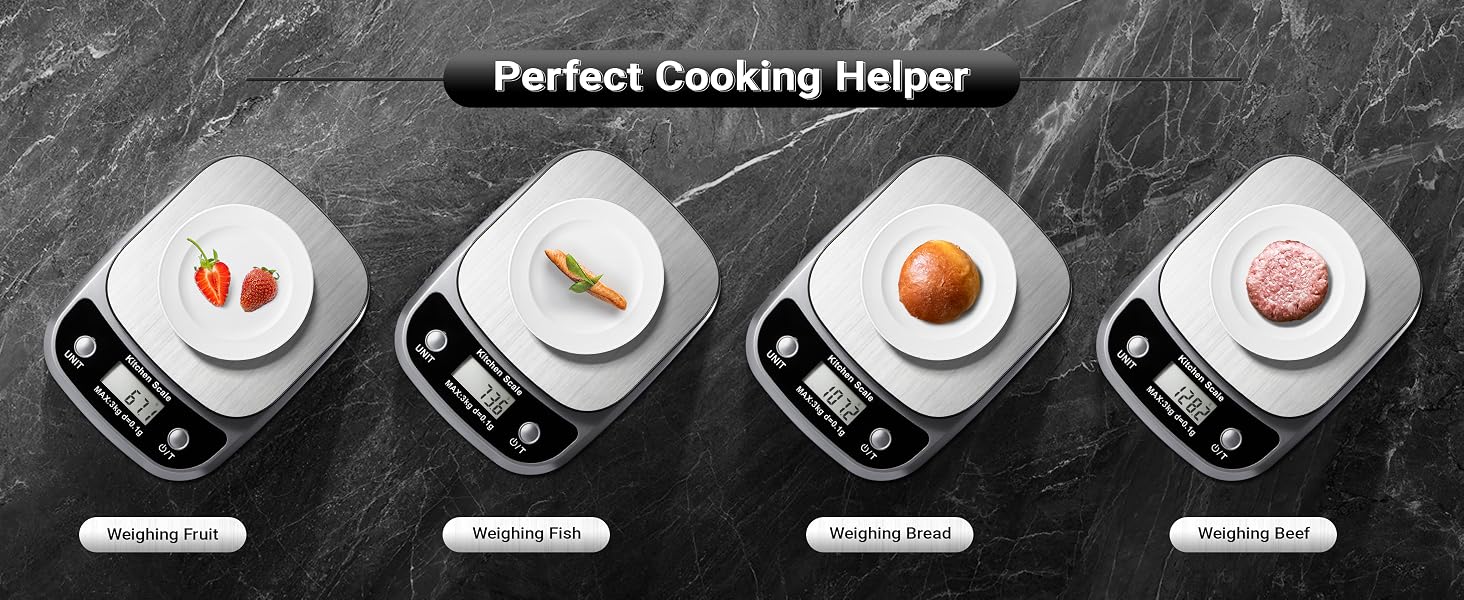
9. OEM & Private Label Kitchen Scales
For brands and retailers developing their own kitchenware collections, precision is only one part of the product development process.
A supplier may be able to support customization such as:
- Product color
- Logo
- Packaging
- Display design
- Unit settings
- Product specifications
- Private-label branding
This allows buyers to create a product that is better aligned with their target market and existing product range.
For example, a retailer targeting home bakers may prefer a 0.1g precision model with a premium design, while a discount retailer may prefer a simple 1g model focused on competitive pricing.
Choosing the Right Digital Kitchen Scale
The difference between a 0.1g and 1g kitchen scale may seem small, but it can have an important impact on product positioning.
A 1g digital kitchen scale is often a practical choice for general household cooking, while a 0.1g precision kitchen scale can be more suitable for baking, coffee and other applications where smaller measurements matter.
For retailers, importers and distributors, the best approach is to start with the market rather than the specification.
Ask:
Who will use the product?
What will they use it for?
What retail price are they willing to pay?
What features actually matter to them?
Once these questions are clear, it becomes much easier to select the right product specification.
Looking for the Right Kitchen Scale for Your Market?
At One Ants, we develop and supply digital kitchen scales for retailers, importers, distributors and private-label brands.
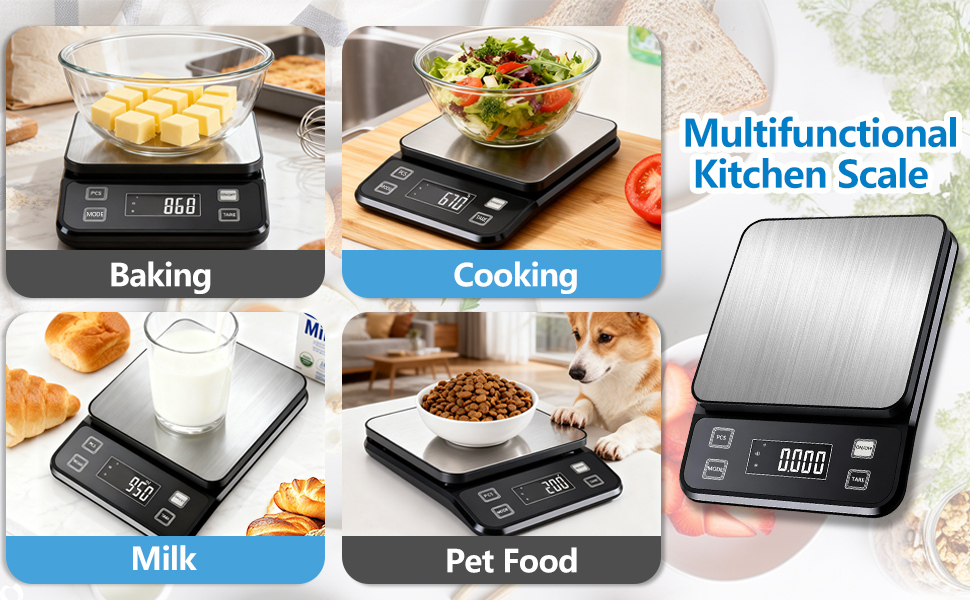
Our range includes different designs and specifications to meet different market requirements, from practical everyday kitchen scales to more precision-focused models.
We can support OEM and ODM projects with customized products, branding and packaging.
If you are developing a new kitchen scale range or looking for a reliable supplier, contact our team to discuss your target market and product requirements.
Conclusion
A higher precision specification does not automatically make a kitchen scale the right choice.
A 1g kitchen scale can be an excellent solution for everyday cooking and value-focused retail, while a 0.1g kitchen scale may be better suited to precision baking, coffee and specialty applications.
The key is to match precision, capacity, features, design and price with the needs of your target market.
Choosing the right specification from the beginning can help retailers and distributors create a product range that is both competitive and relevant to their customers.
How to Choose the Right Digital Kitchen Scale for Your Market